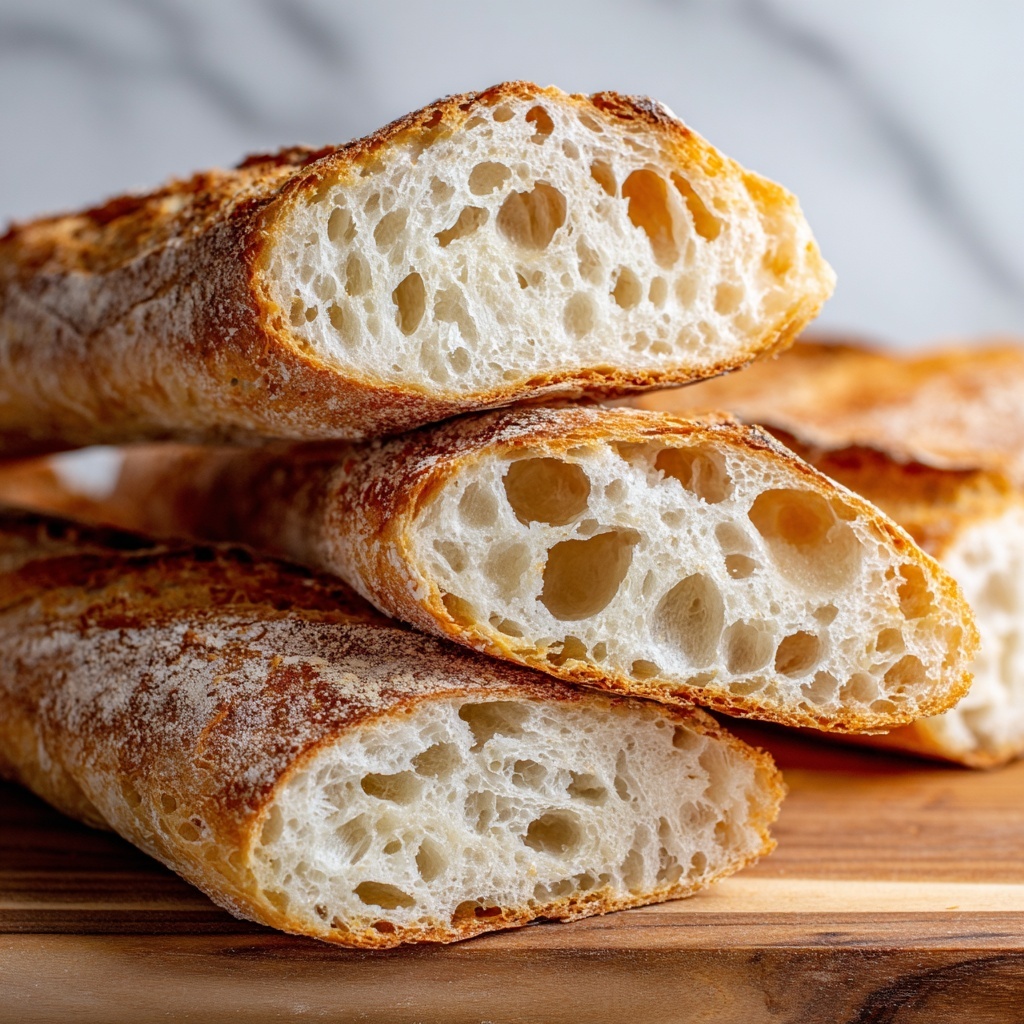
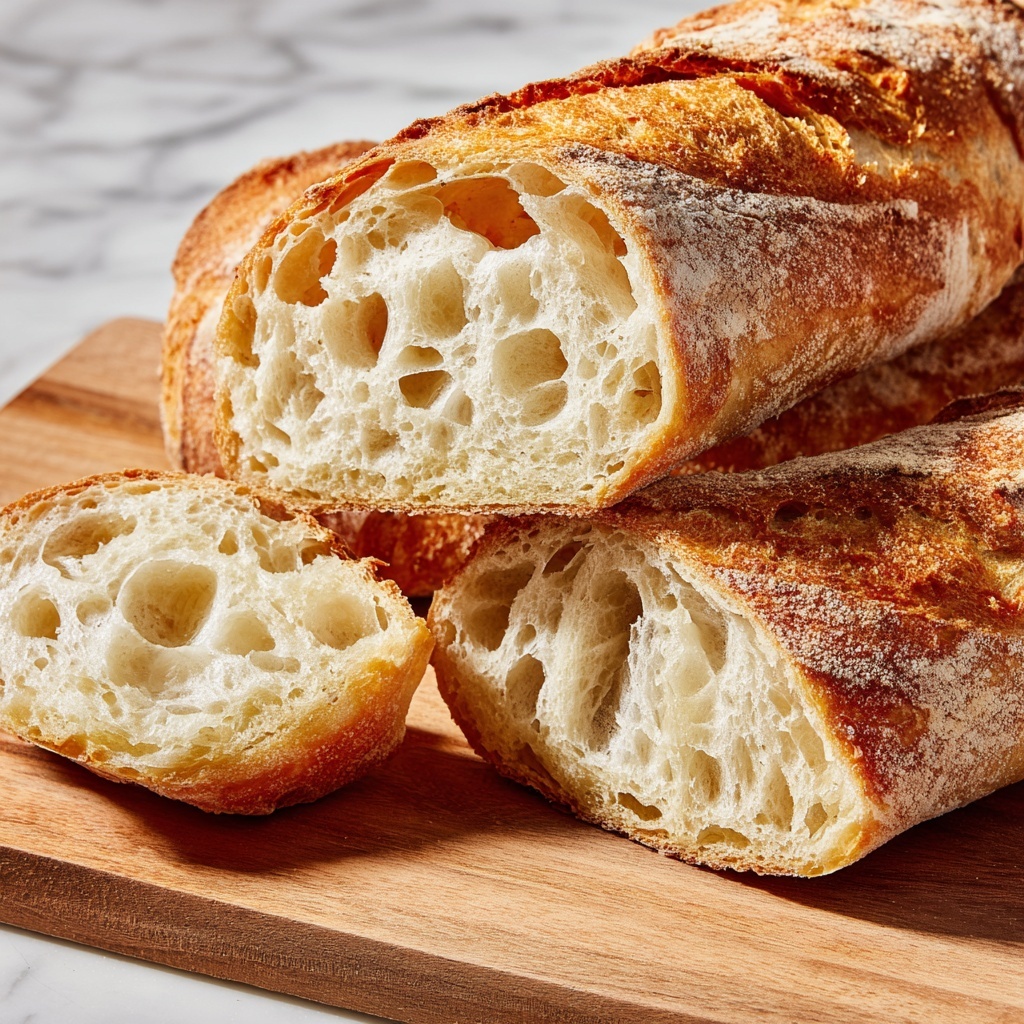
If you’ve ever dreamed of biting into a perfectly crusty baguette without worrying about gluten, then this Gluten Free French Bread Baguette: 7 Steps to Bliss Recipe is exactly what your kitchen needs. It combines simplicity with the artistry of French bread, yielding a loaf that’s crisp on the outside, tender within, and utterly irresistible. Whether you’re celiac, gluten-sensitive, or just experimenting with gluten-free baking, this recipe will become your go-to for authentic, homemade baguette bliss.
Ingredients You’ll Need
This recipe shines because it uses simple, wholesome ingredients that work harmoniously to create the perfect texture and flavor. Each component plays a crucial role — from the yeast’s magic rise to the olive oil’s subtle richness, all combining to give you that classic baguette experience.
- Gluten free all-purpose flour (2 cups): The foundation of your bread, providing structure and that essential chew.
- Salt (1 teaspoon): Enhances flavor and helps control yeast fermentation for the right rise.
- Sugar (1 tablespoon): Feeds the yeast and adds a hint of sweetness to balance the savory crust.
- Active dry yeast (1 packet): The powerhouse that gets your dough puffed up and airy.
- Warm water (1 cup): Activates the yeast and brings all dry ingredients together into dough.
- Olive oil (1 tablespoon): Adds moisture and a subtle richness to keep the bread tender.
How to Make Gluten Free French Bread Baguette: 7 Steps to Bliss Recipe
Step 1: Activate the yeast
Begin by combining the warm water with the active dry yeast in a bowl. Let this mixture rest for about 5 minutes until it turns frothy. This step awakens the yeast and ensures your baguette will have that perfect lift.
Step 2: Mix the wet ingredients
Once the yeast is bubbly, stir in the olive oil, sugar, and salt. Each ingredient helps develop flavor and texture, with olive oil keeping the crumb soft and sugar feeding the yeast.
Step 3: Incorporate the flour
Gradually add your gluten free all-purpose flour, stirring continuously until a dough starts to form. Go slowly here to get the right consistency – not too sticky, but still pliable.
Step 4: Knead the dough
Turn the dough onto a floured surface and knead it gently for about 5 minutes. This step is vital because kneading develops the dough’s texture, ensuring an even crumb and good structure despite the lack of gluten.
Step 5: Let it rise
Place your dough in a greased bowl and cover it with a clean towel. Allow it to rise undisturbed for 1 hour in a warm spot. Patience is key here as the yeast transforms the dough into a fluffy cloud, setting the stage for that dreamy baguette crust.
Step 6: Preheat your oven
While the dough is rising, preheat your oven to 375°F (190°C). A well-heated oven is essential for baking the crust to golden perfection.
Step 7: Shape and bake your baguette
After the rise, shape the dough into a long baguette form and place it carefully on a baking sheet. Pop it into the oven and bake for 25-30 minutes until the crust is beautifully golden and crisp. Then, let it cool completely before slicing to preserve that perfect crumb.
How to Serve Gluten Free French Bread Baguette: 7 Steps to Bliss Recipe
Garnishes
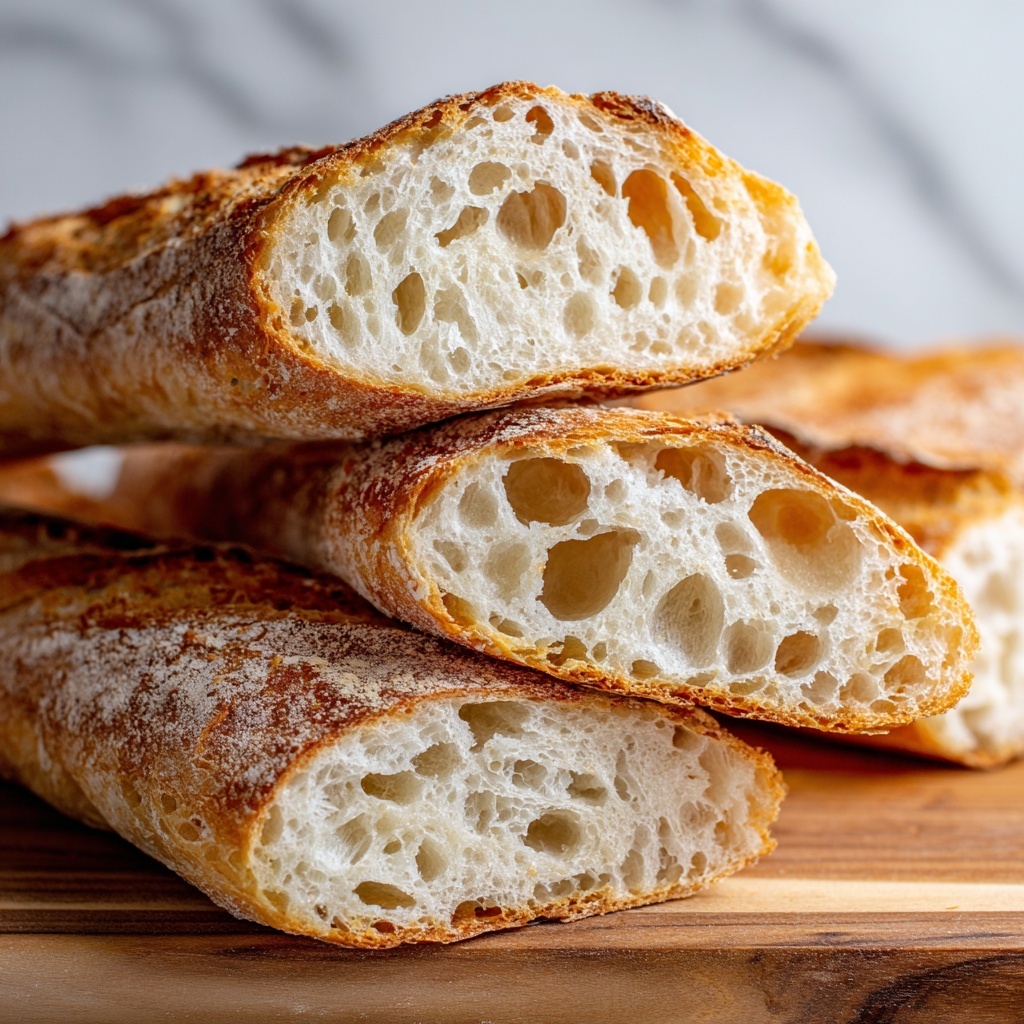
This baguette is wonderful on its own, but adding a sprinkle of flaky sea salt or some garlic-herb butter on sliced pieces takes it to the next level. Fresh herbs like rosemary or thyme also complement this bread’s earthy flavor brilliantly.
Side Dishes
Serve this baguette alongside vibrant salads, creamy cheeses, or hearty stews. It’s fantastic for dipping into olive oil and balsamic vinegar or using to mop up rich sauces. It’s a versatile companion to many dishes!
Creative Ways to Present
For a delightful twist, slice the baguette and toast it lightly topped with smashed avocado and cherry tomatoes or melted cheese and roasted veggies. You can even make mini open-faced sandwiches, perfect for entertaining and sharing the joy of this gluten-free treat.
Make Ahead and Storage
Storing Leftovers
Wrap your leftover baguette tightly in foil or place it in an airtight container to keep it fresh for up to 2 days at room temperature. Storing it properly preserves that crisp crust and tender crumb.
Freezing
If you want to keep it longer, slice the baguette and freeze the pieces in a sealed bag. This way, you can thaw just what you need without sacrificing texture or flavor.
Reheating
To bring back the fresh-baked goodness, pop the leftover or frozen slices into a toaster oven or conventional oven at 350°F (175°C) for 5-7 minutes. This revives the crispiness and warmth just like it just came out of the oven.
FAQs
Can I substitute the gluten free flour with almond flour?
Almond flour behaves very differently and doesn’t provide the same structure as gluten free all-purpose flour. For the best results with this recipe, sticking to a gluten free all-purpose blend works best for that traditional baguette texture.
Do I need to use a special gluten free yeast?
No special yeast is required; active dry yeast works perfectly. Just ensure your yeast is fresh and hasn’t expired for optimal rise and flavor.
Can I double the recipe to make more baguettes?
Absolutely! You can easily double or even triple this recipe. Just make sure to allow the dough more time to rise and adjust baking times if you make multiple loaves at once.
What if I don’t have olive oil? Can I use another oil?
Yes, olive oil adds a subtle flavor, but vegetable or avocado oil can work in a pinch. Just avoid strong-flavored oils that might overpower the bread.
Why does my gluten free baguette sometimes turn out dense?
Density can happen if the dough doesn’t get enough rising time or kneading. Make sure your water is warm to activate the yeast, don’t rush the rise, and knead gently but thoroughly for best results.
Final Thoughts
There’s something truly special about baking your own bread, especially when it’s a glorious gluten free baguette made with love. This Gluten Free French Bread Baguette: 7 Steps to Bliss Recipe invites you to savor each step and enjoy a crusty, tender loaf that rivals any bakery. Give it a try—you’ll be amazed at how approachable and rewarding gluten-free baking can be!
Print
Gluten Free French Bread Baguette: 7 Steps to Bliss Recipe
- Prep Time: 15 minutes
- Cook Time: 30 minutes
- Total Time: 1 hour 45 minutes
- Yield: 1 baguette
- Category: Bread
- Method: Baking
- Cuisine: French
- Diet: Gluten Free
Description
This Gluten Free French Bread Baguette recipe offers a delicious, crusty, and airy baguette perfect for those avoiding gluten. With simple ingredients and a straightforward process, you can enjoy the classic French bread experience at home, made with gluten free all-purpose flour and a perfect balance of seasoning.
Ingredients
Dry Ingredients
- 2 cups gluten free all-purpose flour
- 1 teaspoon salt
- 1 tablespoon sugar
- 1 packet active dry yeast
Wet Ingredients
- 1 cup warm water
- 1 tablespoon olive oil
Instructions
- Activate Yeast: In a bowl, combine the warm water and active dry yeast. Let it sit for 5 minutes until the yeast becomes frothy, indicating it is active.
- Mix Wet Ingredients: Add olive oil, sugar, and salt to the yeast mixture. Stir well to combine all ingredients evenly.
- Add Flour: Gradually add the gluten free all-purpose flour into the wet mixture. Stir continuously until a dough begins to form and all flour is incorporated.
- Knead Dough: Turn the dough onto a floured surface and knead for 5 minutes, working the dough until it reaches a smooth and elastic consistency.
- Proof Dough: Place the kneaded dough into a greased bowl. Cover it with a clean cloth or plastic wrap and let it rise in a warm area for 1 hour, or until it has doubled in size.
- Preheat Oven: Preheat your oven to 375°F (190°C) to prepare for baking.
- Shape Baguette: After the dough has risen, shape it into a baguette form. Place it carefully on a baking sheet suitable for the oven.
- Bake: Bake the shaped dough in the preheated oven for 25-30 minutes, or until the baguette is golden brown on the outside and sounds hollow when tapped.
- Cool and Slice: Remove the baguette from the oven and allow it to cool completely before slicing to preserve its texture and flavor.
Notes
- Ensure the water is warm (around 110°F) to properly activate the yeast without killing it.
- You can lightly dust the baking sheet with gluten free flour or line it with parchment paper for easy removal.
- For a crispier crust, place a shallow pan of water in the oven while baking to create steam.
- This bread is best consumed within two days or can be frozen for longer storage.
- Use gluten free flour blends designed for baking to ensure the best texture.