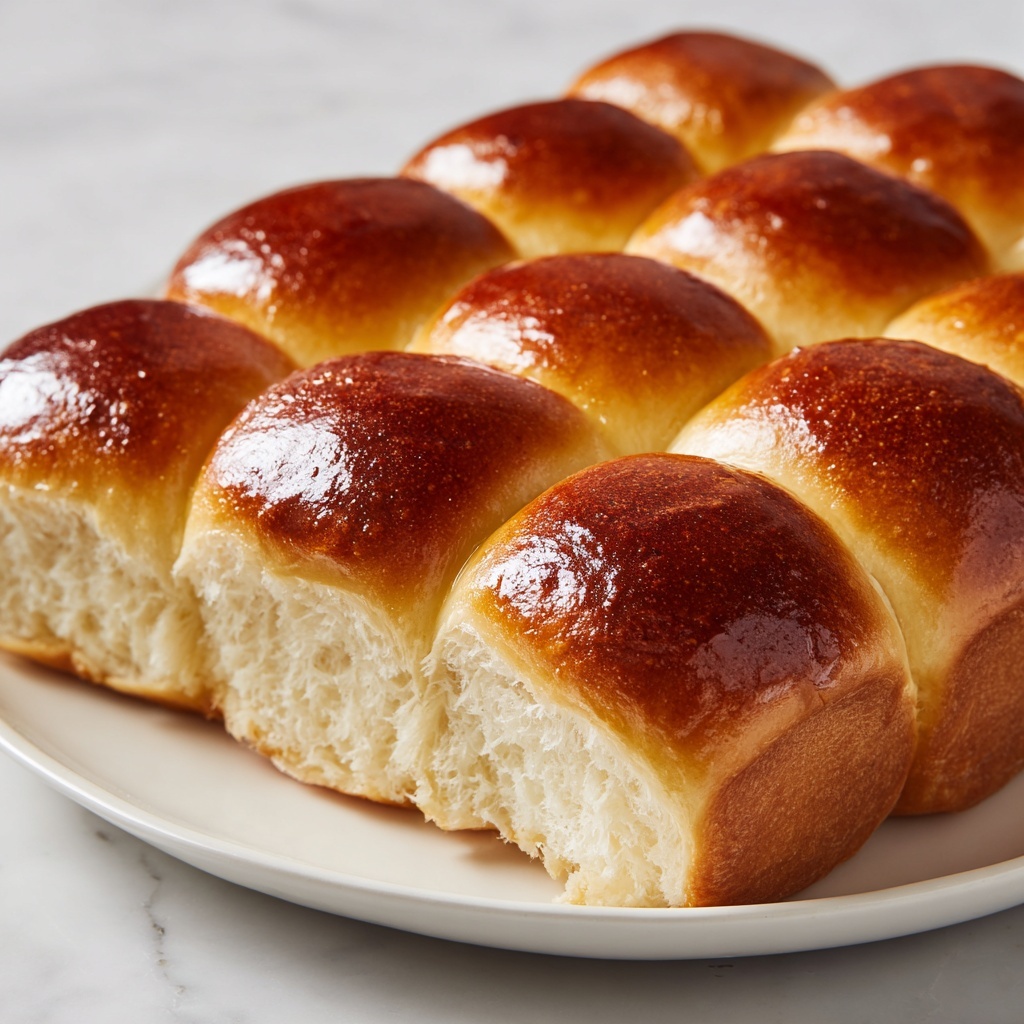
If you’re looking for a buttery, soft, and slightly sweet bread that’s perfect for any meal, this Brioche Dinner Rolls Recipe is going to become your new favorite. These golden, fluffy rolls have that beautiful tender crumb that melts in your mouth, making them ideal not only for dinner but also for breakfast or special occasions. The rich dough, enriched with eggs and butter, creates a delicate texture that’s far superior to ordinary rolls, and the subtle sweetness enhances every bite without overwhelming. Once you get the hang of this Brioche Dinner Rolls Recipe, you’ll want to whip them up again and again!
Ingredients You’ll Need
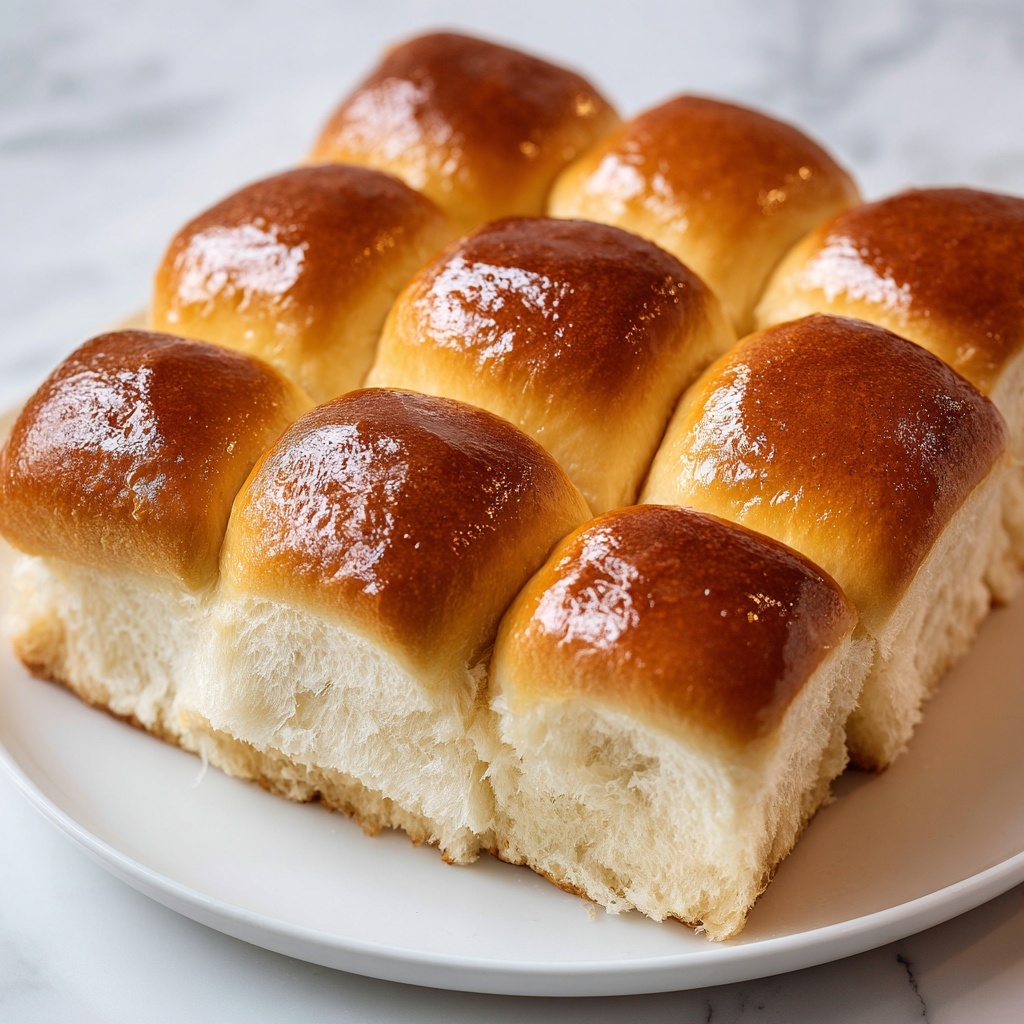
Creating these brioche dinner rolls is surprisingly straightforward, thanks to a handful of essential ingredients that work together to create that soft, rich texture and golden color. Each one plays a critical role in building the flavor and structure of the dough.
- Milk: Used warm to activate the yeast and lend moisture to the dough for softness.
- Dry active yeast: The magic ingredient that helps the dough rise and develop that airy texture.
- Sugar: Adds a touch of sweetness and feeds the yeast for proper fermentation.
- Salt: Balances the sweetness and strengthens the dough’s gluten structure.
- All-purpose flour: Provides the sturdy foundation that makes these rolls hold their shape.
- Eggs: Give richness and contribute to the lovely golden color of the crust.
- Unsalted butter: Adds tenderness, moisture, and a buttery flavor that defines brioche.
- Egg wash (egg + water): Brushed on top for a gorgeous shiny and golden finish after baking.
How to Make Brioche Dinner Rolls Recipe
Step 1: Make the Yeast Mixture
Start by warming the milk to a comfortable temperature — not too hot, just warm enough to wake the yeast up. Stir in the yeast and a tablespoon of sugar, then let the mixture sit for about 5 to 10 minutes until it becomes frothy on top. This proves the yeast is alive and ready to make your dough rise beautifully.
Step 2: Combine the Dough Ingredients Except Butter
In a large mixing bowl, combine the flour, the remaining sugar, salt, eggs, and the yeast mixture you prepared. Mix these ingredients until they start to come together in a rough dough. It may be sticky, but that’s okay at this stage.
Step 3: Add the Softened Butter
Now comes the richness: gradually add softened unsalted butter to the dough and continue mixing. This step might take some patience as the butter slowly incorporates, but the result is a beautifully silky, elastic dough that signals you’re on the right path to those luscious rolls.
Step 4: Proof the Dough
Transfer the dough into a lightly greased bowl, cover it with a clean kitchen towel or plastic wrap, and set it aside in a warm, draft-free spot. Allow the dough to rise until it has doubled in size — this usually takes about an hour. You’ll see the dough become airy and puffy, which is a fantastic sign.
Step 5: Shape into Rolls and Second Proof
Once your dough has risen, gently punch it down to release excess air, then divide it into 12 equal portions. Shape each portion into a smooth ball and place them spaced out on a baking tray. Cover them again and let them proof for another 45 minutes to an hour until they puff up nicely.
Step 6: Brush with Egg Wash and Bake
For that picture-perfect shiny finish, brush each roll gently with a beaten egg mixed with a teaspoon of water. This wash helps them brown beautifully and adds an inviting sheen. Bake the rolls at 350°F (175°C) for 25 minutes until they turn golden brown and smell absolutely irresistible.
How to Serve Brioche Dinner Rolls Recipe
Garnishes
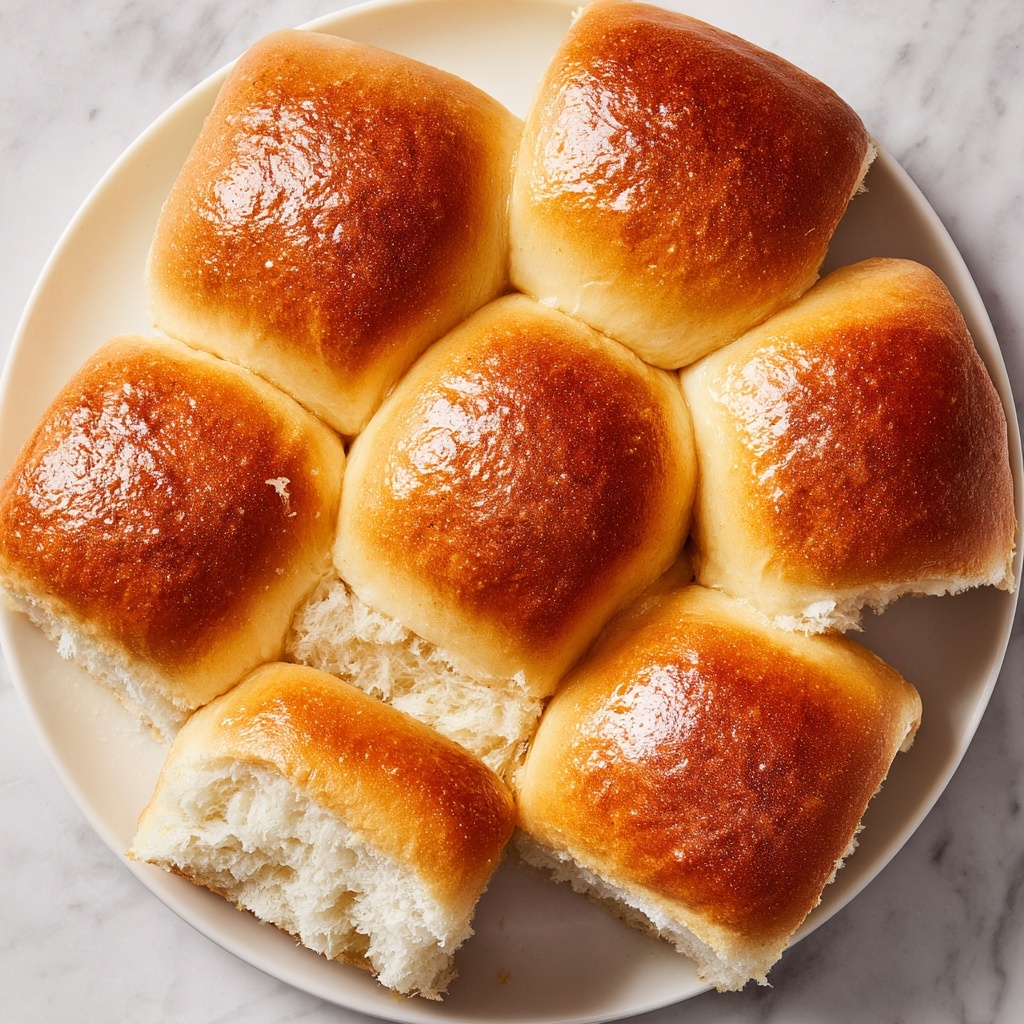
While these rolls are perfect all on their own, adding a sprinkle of flaky sea salt or a brush of honey butter just after baking elevates the experience. Fresh herbs like rosemary or thyme can be tucked into the dough before baking or sprinkled on top after for an herbal lift.
Side Dishes
These brioche dinner rolls shine alongside classic dishes like creamy soups, rich stews, or a colorful salad. They’re wonderful for mopping up gravy or enjoying with melted butter and preserves on the side. They truly complement anything from roast chicken to roasted vegetables.
Creative Ways to Present
For a charming dinner table centerpiece, arrange the rolls in a woven basket lined with a clean linen napkin. You can even create pull-apart rolls by placing the dough balls close together in a round pan; they bake into one delightful, shareable loaf. Adding pesto or garlic butter between the rolls before baking makes for a fun twist.
Make Ahead and Storage
Storing Leftovers
If you have leftovers (and believe us, these rolls are tempting enough to finish fresh!), store them in an airtight container or zip-top bag at room temperature for up to two days. Avoid refrigeration as it can dry out the delicate crumb.
Freezing
To enjoy these rolls later, freeze them individually wrapped in plastic wrap and then in a freezer-safe bag. They’ll keep well for up to three months, making them fantastic to prepare in advance for special occasions or busy days.
Reheating
When you’re ready to bring them back to life, thaw the rolls at room temperature and warm them gently in the oven at 300°F (150°C) for about 10 minutes. This refreshes the crust and melts any butter inside, giving you that fresh-baked experience all over again.
FAQs
Can I use instant yeast instead of dry active yeast?
Absolutely! If you use instant yeast, you can skip the step of proofing it in warm milk. Just add it directly to the dry ingredients. The rising times may be a little faster, so keep an eye on the dough to avoid over-proofing.
What is the best flour to use for brioche rolls?
All-purpose flour works wonderfully and produces a tender crumb, but you can also experiment with bread flour for a slightly chewier texture. Just be sure to measure your flour accurately to keep the dough balanced.
How do I know when the rolls are fully baked?
The rolls should be a rich golden brown color on top, and when tapped, they should sound hollow. If you have a kitchen thermometer, an internal temperature of around 190°F (88°C) is perfect for fully baked brioche rolls.
Can I make these rolls vegan?
Traditional brioche is enriched with eggs and butter, but if you want a vegan version, substitute the butter for plant-based margarine and use a flax egg or commercial egg replacer. Keep in mind the texture and flavor will be slightly different but still delicious.
Why is my brioche dough sticky?
Brioche dough is naturally stickier than typical bread dough due to the high butter and egg content—that’s a good sign! Lightly flour your hands and work surface when shaping, but don’t add too much flour, or you risk a dense roll.
Final Thoughts
This Brioche Dinner Rolls Recipe truly brings a little touch of bakery magic right into your kitchen. The combination of buttery richness, tender crumb, and golden crust makes these rolls impossible to resist. Whether you’re sharing them at a family dinner or enjoying a cozy, lazy weekend breakfast, these rolls are bound to brighten up your table and your day. Trust me, once you try this recipe, it’ll be a staple in your baking repertoire for years to come!
Print
Brioche Dinner Rolls Recipe
- Prep Time: 25 minutes
- Cook Time: 25 minutes
- Total Time: 2 hours 25 minutes
- Yield: 12 servings
- Category: Bread
- Method: Baking
- Cuisine: French
Description
Soft and buttery Brioche Dinner Rolls that are perfect for any meal. These fluffy rolls feature a tender crumb and a golden crust, made using a yeast-based dough enriched with eggs and butter, then baked to perfection. Ideal for serving alongside soups, salads, or as a base for sliders.
Ingredients
Dough Ingredients
- 3/4 cup warm milk
- 1 1/2 tsp dry active yeast
- 1/4 cup sugar + 1 tbsp sugar
- 1 tsp salt
- 4 cups all-purpose flour
- 3 large eggs
- 1/2 cup unsalted butter, softened
Egg Wash
- 1 egg
- 1 tsp water
Instructions
- Make the yeast mixture: In a large measuring cup, combine warm milk, dry active yeast, and 1/4 cup of sugar. Let the mixture sit for about 5 to 10 minutes until it becomes frothy, indicating that the yeast is active.
- Add everything but the butter to the mixer: In a large mixing bowl or stand mixer, combine the all-purpose flour, remaining 1 tbsp sugar, salt, eggs, and the yeast mixture. Mix on low to medium speed until a rough dough forms.
- Add softened butter: Gradually add the softened unsalted butter to the dough mixture while continuing to knead. Incorporate the butter thoroughly until the dough is smooth, elastic, and slightly sticky but pulls away from the sides of the bowl.
- Proof the dough: Cover the dough with a clean kitchen towel or plastic wrap and let it rise in a warm draft-free area until doubled in size, about 1 to 1.5 hours.
- Shape into rolls and proof again: Punch down the risen dough and divide it into 12 equal portions. Shape each portion into a smooth ball and place on a baking sheet lined with parchment paper or a silicone mat. Cover and let the rolls proof again until puffed up, about 30 to 45 minutes.
- Brush with egg wash and bake: Preheat your oven to 350°F (175°C). Whisk the egg with 1 tsp water to make an egg wash, then gently brush the tops of the rolls for a glossy finish. Bake the rolls for 25 minutes or until golden brown on top and cooked through.
Notes
- Use warm milk (around 110°F/43°C) to activate the yeast properly—too hot can kill the yeast, too cold won’t activate it.
- Softened butter should be at room temperature for easier incorporation.
- The first rise should at least double the dough in size; be patient for light and airy rolls.
- The egg wash is optional but gives a beautiful shiny crust.
- Let the rolls cool slightly before serving for the best texture.
- Store leftover rolls in an airtight container to maintain freshness, or freeze for longer storage.