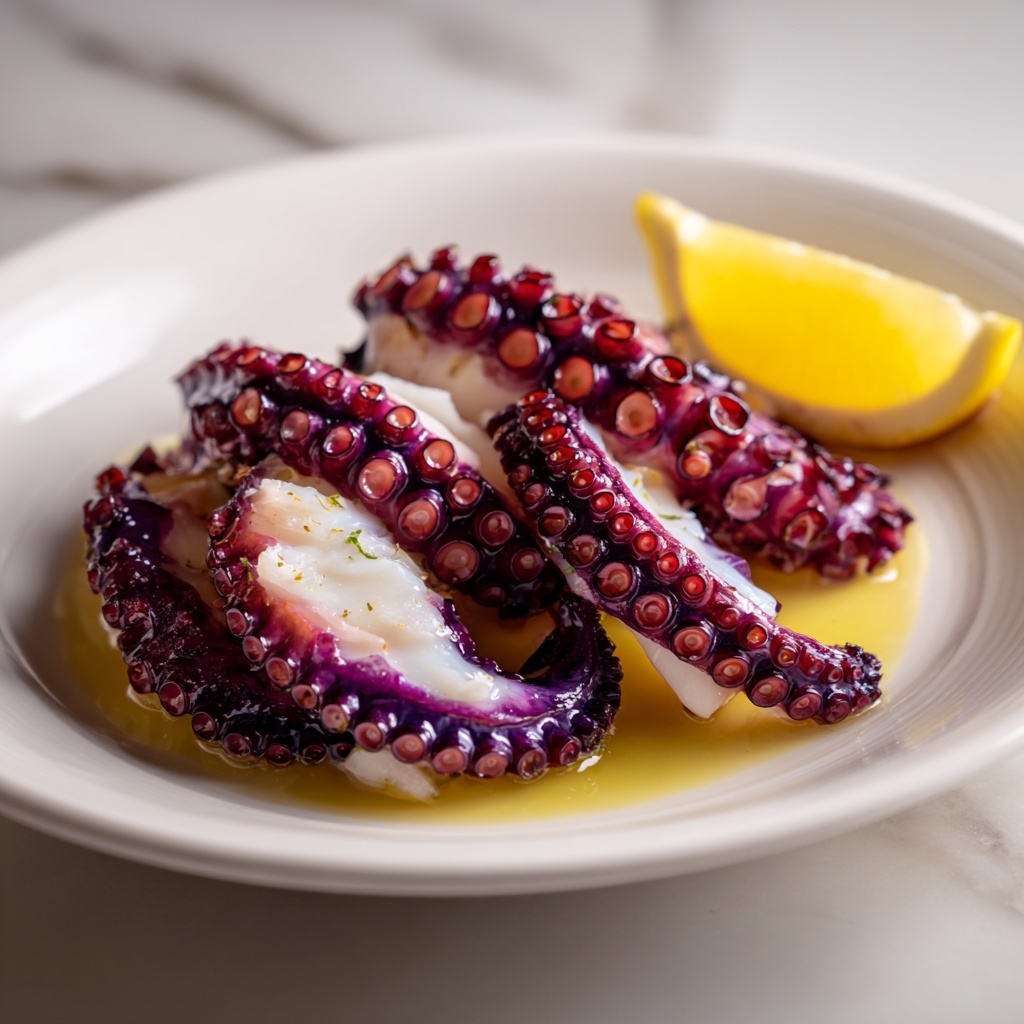
If you have ever wondered how to prepare octopus that is both tender and bursting with flavor, you are in for a treat. This Boiled Octopus: 5 Simple Steps to Seafood Perfection Recipe is my absolute go-to whenever I want to impress friends or simply enjoy a delightful seafood feast at home. The beauty of this dish lies in its simplicity and the way it brings out the natural sweetness and delicate texture of the octopus through a few straightforward steps. Once you master this recipe, you’ll see why it’s a timeless Mediterranean classic that deserves a spot in your personal cookbook.
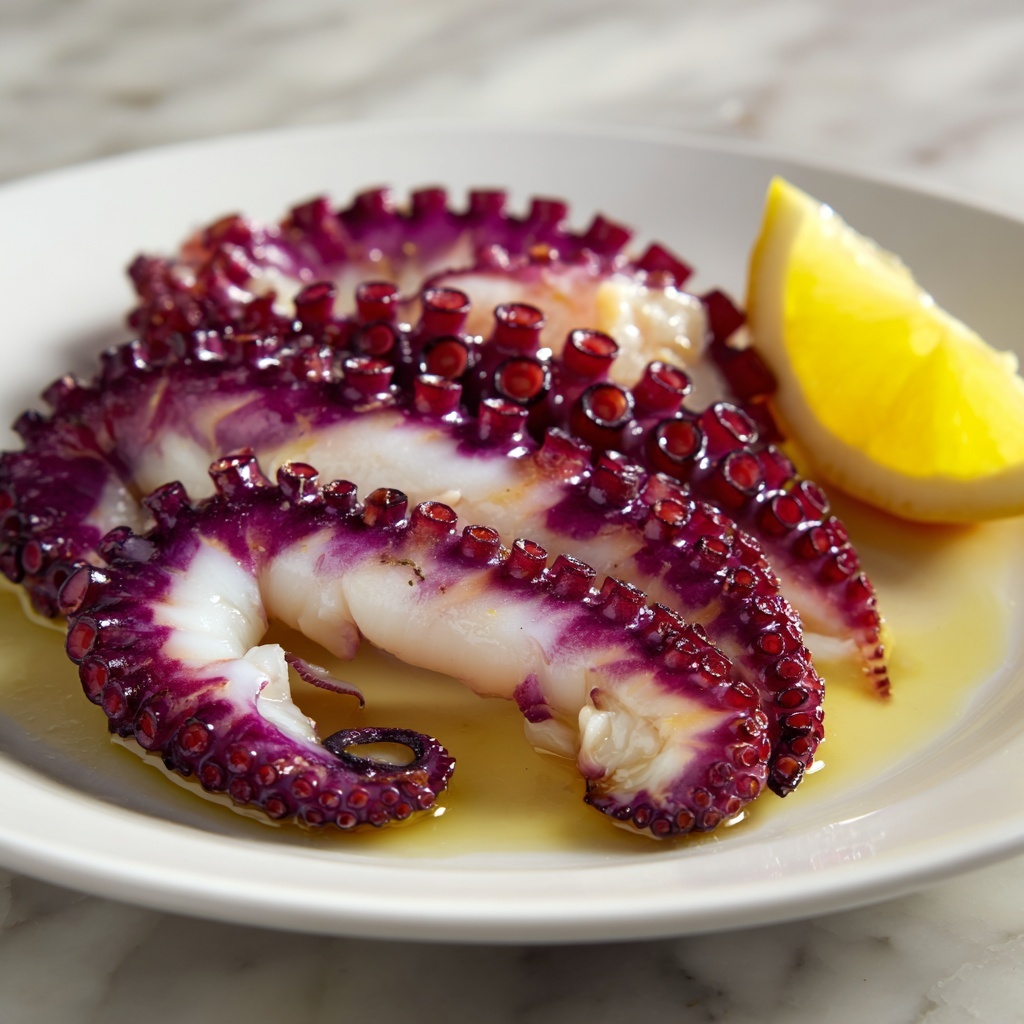
Ingredients You’ll Need
Every ingredient in this Boiled Octopus: 5 Simple Steps to Seafood Perfection Recipe plays an essential role in creating a harmonious balance of flavors and tenderness. The selection is straightforward but each component elevates the dish, from the aromatic onion and garlic to the bright zing of lemon adding freshness at the end.
- 2 to 3 pounds whole octopus cleaned: The star of the dish—ensure it’s fresh or fully thawed for perfect texture.
- 1 onion halved: Adds a subtle sweetness that infuses the broth gently.
- 3 cloves garlic smashed: Imparts a robust aroma without overpowering the octopus.
- 2 bay leaves: Give a woodsy, herbal background note that enhances complexity.
- 1 teaspoon black peppercorns: A gentle heat and spice element that wakes up your palate.
- 1 tablespoon salt: Crucial for seasoning the water to penetrate and season the octopus thoroughly.
- 1 lemon cut into wedges: The perfect finishing touch to brighten each bite with citrus freshness.
- Water to cover: Simple but essential for tenderizing and cooking the octopus evenly.
How to Make Boiled Octopus: 5 Simple Steps to Seafood Perfection Recipe
Step 1: Prepare Your Octopus
Start by rinsing your octopus under cold water, making sure all the innards and the beak are removed if not already done. This ensures your octopus is clean and ready to absorb the beautiful flavors from the cooking liquid.
Step 2: Build the Flavorful Broth
Fill a large pot with enough water to fully submerge your octopus. Add the halved onion, smashed garlic, bay leaves, black peppercorns, and salt. Bring this aromatic mixture to a rolling boil—it’s the secret base that gently seasons and tenderizes.
Step 3: Tenderize the Octopus
Using tongs, dip the octopus into the boiling water three times, lifting and submerging it quickly. This technique helps the tentacles curl beautifully and start to tenderize the flesh. It’s such a satisfying step because you start to see the octopus transform right before your eyes.
Step 4: Simmer to Perfection
Fully submerge the octopus in your pot, then turn the heat down to a gentle simmer. Cover and cook for 45 to 60 minutes depending on your octopus’ size. To test, pierce the thickest part with a fork—it should slide in easily without resistance. This slow, gentle cooking is key to achieving seafood perfection.
Step 5: Rest and Slice
Once cooked, remove the octopus and let it rest for a few minutes. This little pause lets the juices redistribute, resulting in tender, juicy bites. Slice it into pieces and get ready for the delicious finale.
How to Serve Boiled Octopus: 5 Simple Steps to Seafood Perfection Recipe
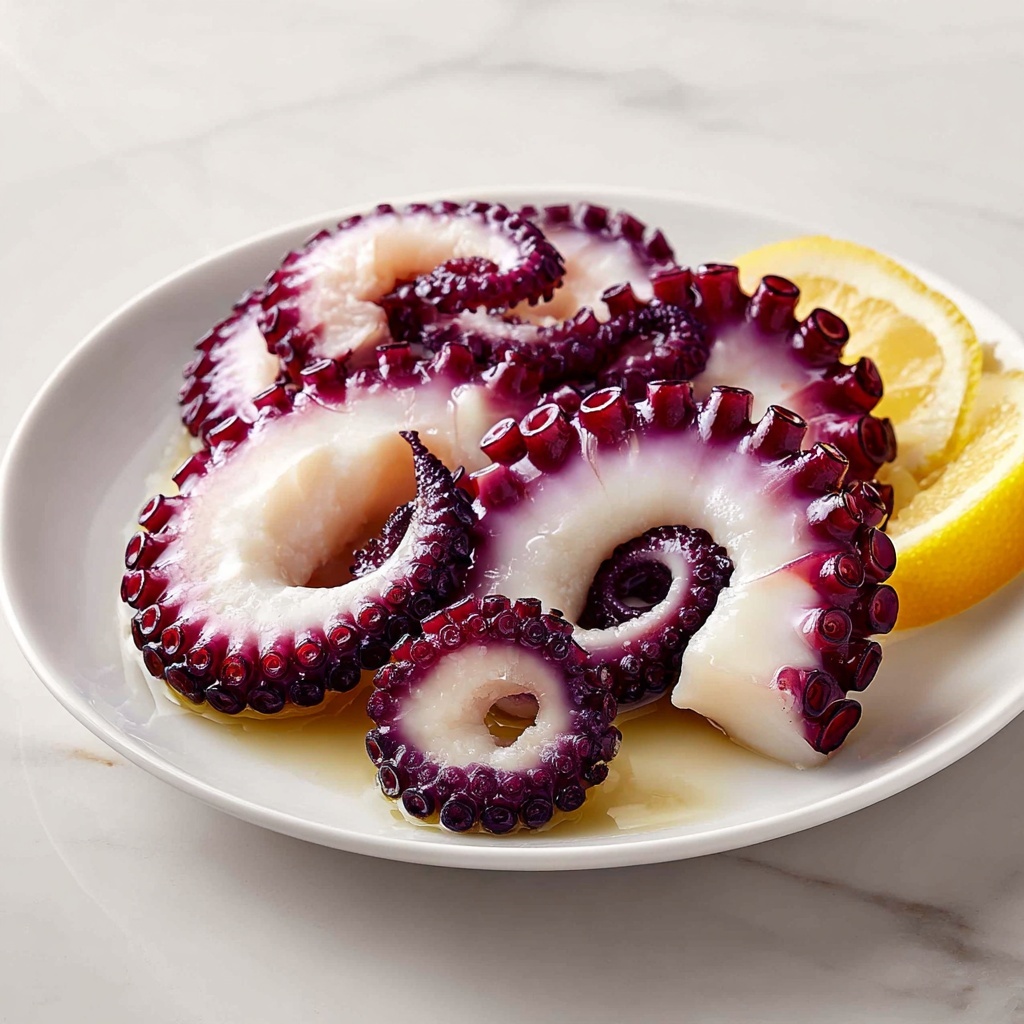
Garnishes
A squeeze of fresh lemon wedges right before eating brightens the flavor immensely, cutting through the richness of the octopus. For an extra touch, sprinkle chopped fresh parsley or a drizzle of good-quality olive oil that adds silkiness.
Side Dishes
This boiled octopus shines alongside simple Mediterranean sides. Think roasted potatoes, crisp green salads, or grilled veggies that complement without stealing the spotlight from your star seafood dish.
Creative Ways to Present
If you want to take it up a notch, try lightly grilling the boiled octopus pieces for a hint of char and smoky aroma. Serving atop a bed of lemony couscous or alongside a colorful pepper and tomato relish creates a show-stopping plate everyone will remember.
Make Ahead and Storage
Storing Leftovers
Octopus keeps well stored in a tightly sealed container in the refrigerator for up to two days. Keep it chilled and covered to maintain its lovely texture and freshness.
Freezing
If you want to save some for later, wrap cooked octopus tightly in plastic wrap and then place it in a freezer-safe bag. It freezes best for up to one month, preserving much of its delicate flavor and tenderness.
Reheating
Reheat gently over low heat or briefly in a hot pan to avoid turning the octopus rubbery. A quick sear with a splash of olive oil and a squeeze of lemon can refresh the flavors beautifully.
FAQs
How do I know when the octopus is perfectly cooked?
Simply test the thickest part with a fork or skewer; it should slide in easily without resistance, indicating tender flesh. Overcooking can make it tough, so keep a close eye as it simmers.
Can I prepare this recipe with frozen octopus?
Absolutely! Just thaw it fully in the refrigerator before starting. Frozen octopus is often even more tender due to the freezing process breaking down some fibers.
Is it necessary to dip the octopus three times in boiling water?
Yes, this traditional step helps the tentacles curl attractively and initiate tenderizing. It’s simple but makes a noticeable difference in texture and presentation.
Can I add other spices or herbs to the cooking water?
Feel free to experiment with herbs like thyme or rosemary, but keep it subtle to let the delicate octopus flavor shine through. Too many strong aromatics can overpower the dish.
What’s the best way to enjoy leftovers?
Leftover boiled octopus can be chopped and tossed into salads, made into seafood stews, or warmed up as a flavorful topping for pasta or rice dishes, offering endless delicious possibilities.
Final Thoughts
Cooking octopus may seem intimidating, but with this Boiled Octopus: 5 Simple Steps to Seafood Perfection Recipe, you’ve got a straightforward, foolproof method to enjoy tender, flavorful octopus anytime. Trust me, once you try this at home, it will become a staple for your seafood repertoire and impress everyone at your table. So grab your pot and lemon wedges and get ready to enjoy some Mediterranean magic!
Print
Boiled Octopus: 5 Simple Steps to Seafood Perfection Recipe
- Prep Time: 10 minutes
- Cook Time: 60 minutes
- Total Time: 1 hour 10 minutes
- Yield: 4 servings
- Category: Main Course
- Method: Boiling
- Cuisine: Mediterranean
- Diet: Gluten Free
Description
Learn how to perfectly boil octopus in 5 simple steps to achieve tender, flavorful seafood. This classic Mediterranean recipe uses basic ingredients and straightforward techniques to ensure a delicious main course that’s easy to prepare at home.
Ingredients
Ingredients
- 2 to 3 pounds whole octopus, cleaned
- 1 onion, halved
- 3 cloves garlic, smashed
- 2 bay leaves
- 1 teaspoon black peppercorns
- 1 tablespoon salt
- 1 lemon, cut into wedges
- Water, enough to cover the octopus
Instructions
- Clean the octopus: Rinse the octopus thoroughly under cold running water. Make sure to remove any remaining innards or the beak if it hasn’t already been cleaned by your fishmonger.
- Prepare the poaching liquid: Fill a large pot with enough water to fully submerge the octopus. Add the halved onion, smashed garlic cloves, bay leaves, black peppercorns, and salt. Bring the water to a rolling boil.
- Tenderize the octopus: Using tongs, dip the octopus into the boiling water three times. This process helps to tenderize the flesh and prevent it from becoming tough.
- Simmer the octopus: Fully submerge the octopus in the boiling water, then reduce the heat to a gentle simmer. Cook for 45 to 60 minutes or until the flesh is tender when pierced with a fork.
- Rest and serve: Remove the octopus from the pot and let it rest for a few minutes. Slice into pieces and serve with fresh lemon wedges on the side. Optionally, finish on a grill or hot pan for added char and flavor.
Notes
- Cooking time can vary based on the size and age of the octopus; check tenderness early to avoid overcooking.
- Do not overboil as the octopus may become rubbery and tough.
- For enhanced flavor and texture, consider finishing the octopus briefly on a grill or in a hot skillet to achieve a lightly charred exterior.