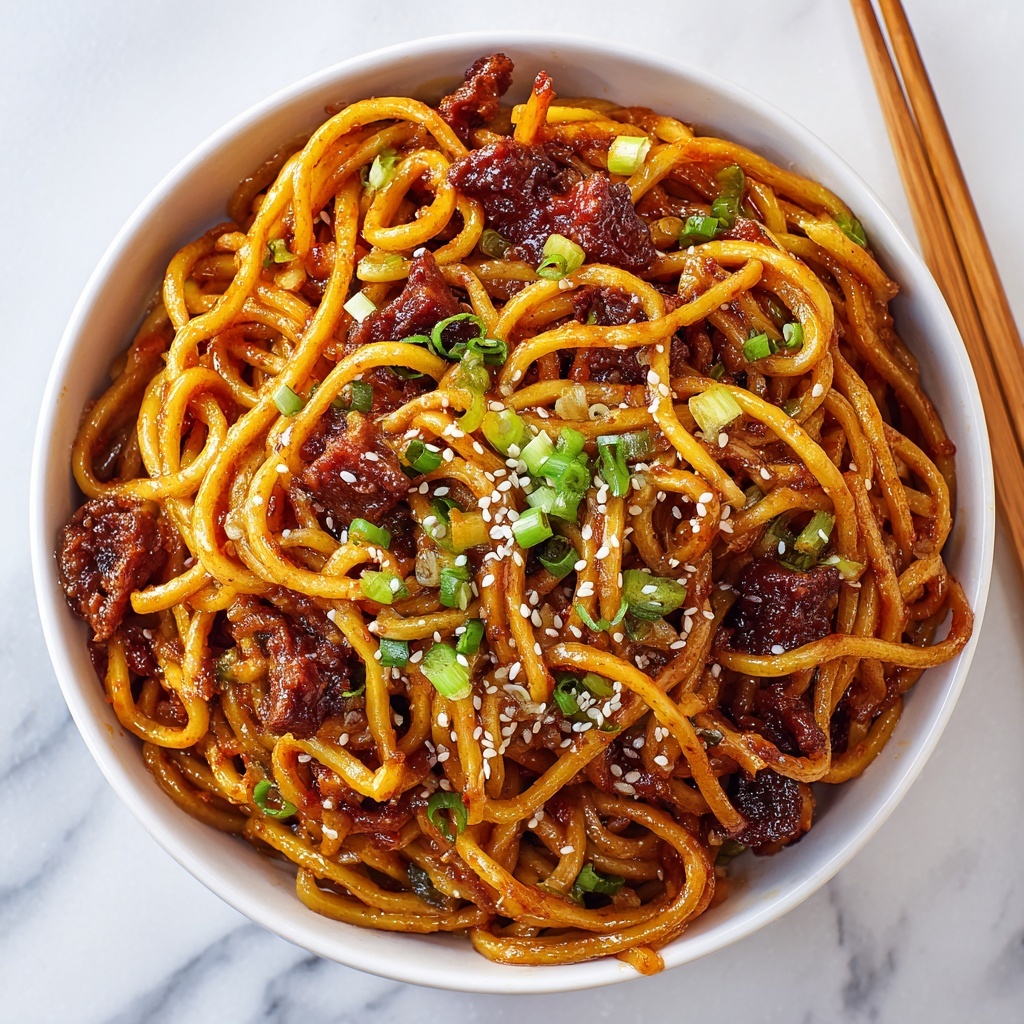
If you are craving something bold, comforting, and absolutely bursting with flavor, this Spicy Korean Gochujang Beef Noodles Recipe is going to become your new obsession. Picture tender, thinly sliced beef marinated to perfection, tossed with chewy noodles and drenched in a luscious sauce made from vibrant gochujang paste—the ultimate Korean chili condiment. This dish brings together spicy, sweet, savory, and tangy notes in a way that turns an ordinary weeknight dinner into a festive, soul-satisfying experience. Whether you’re a seasoned fan of Korean cuisine or a curious foodie looking to try something exciting, this recipe promises a perfect balance of heat and heartiness in every bite.
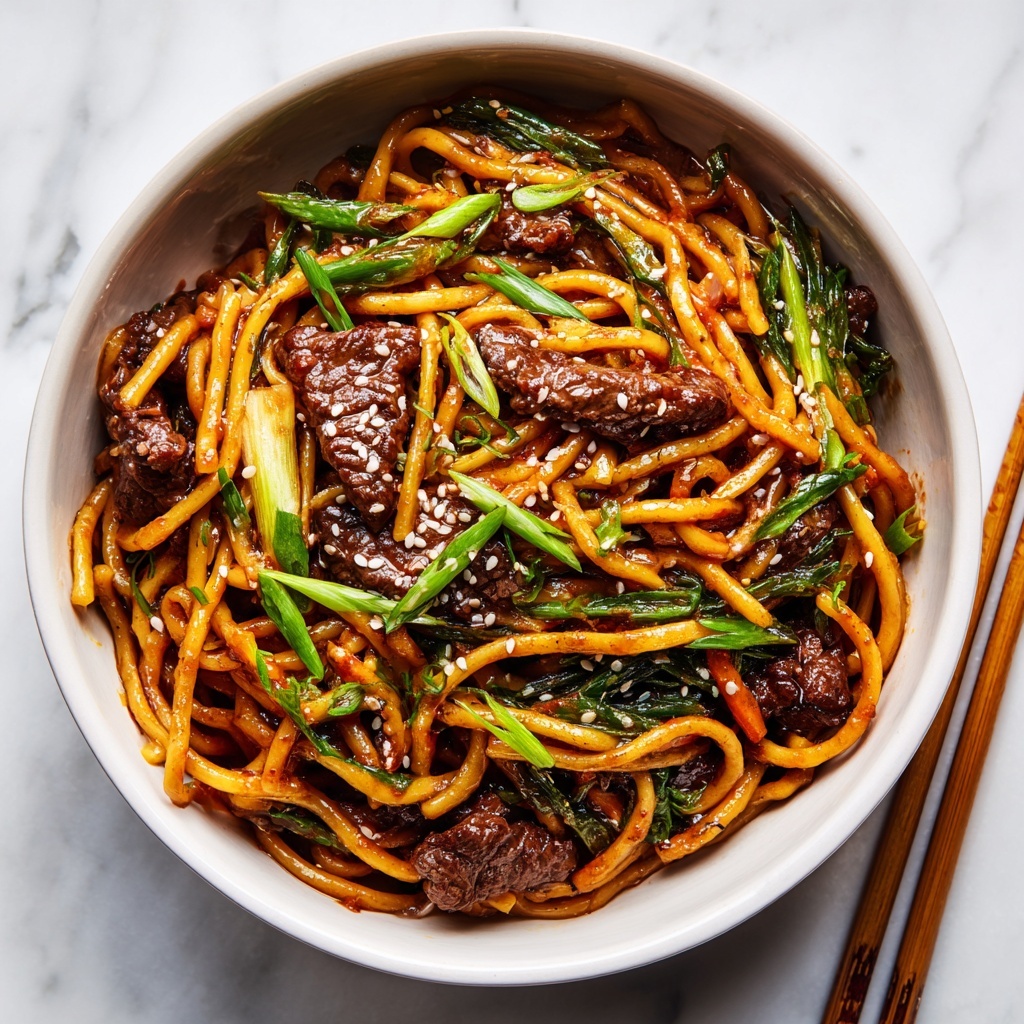
Ingredients You’ll Need
Gathering the right ingredients is the first step to creating this mouthwatering Spicy Korean Gochujang Beef Noodles Recipe. Each element plays a key role, whether adding depth, texture, or that signature fiery kick that makes the dish unforgettable.
- Flank steak or sirloin (¾–1 lb): Thinly sliced for quick cooking and tender texture.
- Soy sauce (2 tbsp for beef and 1½ tbsp for sauce): Adds a rich, umami base and balances the spice.
- Sesame oil (1 tbsp for beef and 1 tsp for sauce): Imparts a toasty, nutty aroma and deep flavor.
- Cornstarch (1 tbsp): Helps the beef develop a nice glaze and keeps it tender.
- Garlic and ginger (1 tsp each, minced): Fresh aromatics that brighten the dish.
- Black pepper or gochugaru (½ tsp, optional): Adds an extra layer of mild heat or smokiness.
- Noodles (8 oz): Choose udon, ramen, rice noodles, or even spaghetti for the perfect comfort texture.
- Gochujang (2½ tbsp): The star ingredient, delivering complex, spicy-sweet flavor that defines the dish.
- Brown sugar or honey (1 tbsp): Balances the heat with a touch of natural sweetness.
- Rice vinegar or lime juice (1 tbsp): Adds a bright tang that lifts the flavors.
- Water (1 tbsp): Helps loosen the sauce to coat noodles evenly.
- Oil for stir-frying (1 tbsp): Preferably a neutral oil like vegetable or canola.
- Vegetables (optional): Shredded cabbage or bok choy, julienned carrot, bell pepper, green onions, and bean sprouts add crunch and freshness.
- Sesame seeds and extra green onions: Perfect garnishes to finish with a little pop of texture and color.
- Chili crisp or a fried egg (optional): For those who love an extra punch of flavor or silky richness on top.
How to Make Spicy Korean Gochujang Beef Noodles Recipe
Step 1: Marinate the Beef
Start by combining your thinly sliced beef with soy sauce, sesame oil, cornstarch, minced garlic and ginger, and a sprinkle of black pepper or gochugaru if you want even more heat. This simple marinade not only tenderizes the meat but also infuses every bite with layers of savory goodness. Set it aside for at least 10 minutes to let the flavors mingle while you prep the rest.
Step 2: Cook the Noodles
Boil your choice of noodles according to the package instructions until just al dente. Drain them well and toss lightly with a bit of oil to prevent sticking. This keeps them perfectly springy and ready to soak up that irresistible gochujang sauce.
Step 3: Make the Sauce
Whisk together gochujang, soy sauce, brown sugar or honey, rice vinegar or lime juice, water, and sesame oil. Taste and adjust to your preference—this sauce is the secret to the dish’s unforgettable punch, delivering a blend of heat, sweetness, and acidity that perfectly complements the beef and noodles.
Step 4: Stir-Fry the Beef
Heat oil in a large skillet or wok over high heat until shimmering. Add the marinated beef and stir-fry quickly for 2 to 3 minutes until it’s beautifully browned but still tender. Remove the beef from the pan temporarily to make space for the veggies.
Step 5: Sauté the Vegetables
Add any veggies you like to the same pan, starting with the firmer ones like cabbage or bell peppers, and cook until they’re just tender but still retain a bit of crunch. These vibrant, fresh textures perfectly contrast the rich, saucy noodles.
Step 6: Combine Everything
Return the beef to the pan along with the cooked noodles and pour over the sauce. Toss everything together vigorously for 1 to 2 minutes so the sauce coats every strand and slice evenly, creating a glossy, spicy masterpiece.
Step 7: Serve Hot
Dish out your Spicy Korean Gochujang Beef Noodles right away, ready to be garnished and enjoyed!
How to Serve Spicy Korean Gochujang Beef Noodles Recipe
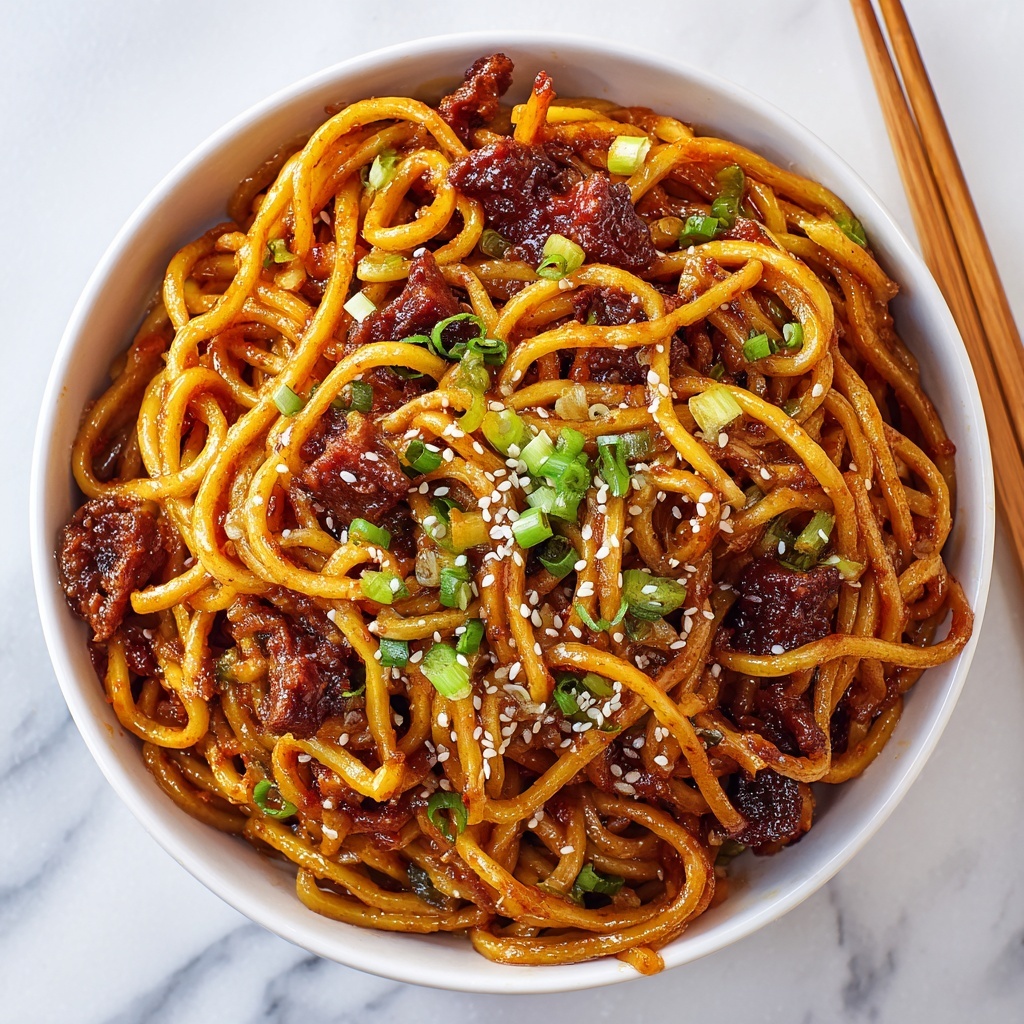
Garnishes
Adding garnishes takes this dish from delicious to unforgettable. Sprinkle toasted sesame seeds and fresh green onions on top for a pop of color and texture. For a decadent touch, add a fried egg with a runny yolk that melds into the noodles or a spoonful of chili crisp for an extra spicy crunch.
Side Dishes
While the beef noodles stand tall as a complete meal, pairing them with light Korean sides like kimchi, pickled radish, or a simple cucumber salad adds freshness and balance, making every bite exciting and well-rounded.
Creative Ways to Present
Serve the noodles in a wide bowl to showcase the vibrant colors and glossy sauce. You can also pile the beef noodles into lettuce cups for a fresh, crunchy hand-held twist or layer them in a bento box alongside steamed veggies for a perfect meal on the go.
Make Ahead and Storage
Storing Leftovers
If you have any leftovers, store them in an airtight container in the refrigerator. The beef and noodles will keep well for up to 3 days, and the flavors will even deepen overnight, making for a delicious next-day meal.
Freezing
This dish freezes okay, but for best results, freeze the beef and sauce separately from the noodles if possible. When thawed, reheat the beef mixture gently and add freshly cooked noodles to maintain the best texture.
Reheating
Reheat leftovers in a skillet over medium heat, stirring occasionally until warmed through. Adding a splash of water or broth can help loosen the sauce and revive that fresh-from-the-wok texture.
FAQs
What type of noodles work best for this recipe?
Udon, ramen, rice noodles, or even spaghetti all work wonderfully in this recipe. The key is to cook them al dente so they hold up well when tossed with the sauce and beef.
Can I make this recipe vegetarian?
Absolutely! Swap the beef for firm tofu or seitan and follow the same marinade and cooking steps for a delicious vegetarian version.
How spicy is the Spicy Korean Gochujang Beef Noodles Recipe?
The spice level is moderate and can be adjusted easily by controlling the amount of gochujang and chili crisp you add. For a milder dish, use less gochujang or omit the chili crisp.
Do I have to use cornstarch in the marinade?
Cornstarch is important because it tenderizes the beef and helps create a silky coating when stir-frying. Omitting it can result in tougher meat and less saucy noodles.
Can I prepare this dish in advance?
You can marinate the beef a few hours ahead and cook the sauce in advance to save time. Just cook and toss everything together at the last minute to enjoy peak freshness.
Final Thoughts
I cannot recommend this Spicy Korean Gochujang Beef Noodles Recipe enough for anyone looking to spice up their dinner rotation with something fast, flavorful, and downright addictive. It’s comfort food elevated by vibrant Korean flavors, impressively easy to make, and endlessly customizable. Trust me—once you try this, your taste buds will be singing. Get ready to fall in love with noodles all over again.
Print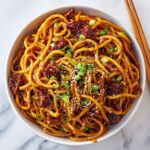
Spicy Korean Gochujang Beef Noodles Recipe
- Prep Time: 15 minutes
- Cook Time: 15 minutes
- Total Time: 30 minutes
- Yield: 3 servings
- Category: Main Course
- Method: Stovetop
- Cuisine: Korean
Description
A flavorful and spicy Korean-inspired dish featuring tender marinated flank steak stir-fried with gochujang sauce and tossed with noodles and fresh vegetables. This quick and easy recipe balances savory, sweet, and tangy elements for a delightful meal perfect for lunch or dinner.
Ingredients
Beef Marinade
- ¾–1 lb flank steak or sirloin, thinly sliced
- 2 tbsp soy sauce
- 1 tbsp sesame oil
- 1 tbsp cornstarch
- 1 tsp garlic, minced
- 1 tsp ginger, minced
- ½ tsp black pepper or gochugaru (optional)
Noodles
- 8 oz noodles (udon, ramen, rice noodles, or spaghetti), cooked and drained
- 1 tbsp oil for tossing
Sauce
- 2½ tbsp gochujang
- 1½ tbsp soy sauce
- 1 tbsp brown sugar or honey
- 1 tbsp rice vinegar or lime juice
- 1 tbsp water
- 1 tsp sesame oil
- 1 tsp chili crisp or gochugaru (optional)
Vegetables (Optional)
- 1 cup shredded cabbage or bok choy
- 1 carrot, julienned
- ½ bell pepper, thinly sliced
- 2 green onions, sliced
- Handful of bean sprouts
Garnishes
- Sesame seeds
- Additional green onions
- Optional chili crisp or fried egg
Instructions
- Marinate the beef: In a bowl, combine thinly sliced flank steak with soy sauce, sesame oil, cornstarch, minced garlic, minced ginger, and black pepper or gochugaru if using. Mix well to coat evenly and set aside to marinate while preparing other ingredients.
- Cook the noodles: Prepare the noodles according to the package instructions. Once cooked, drain well and toss with a tablespoon of oil to prevent clumping.
- Prepare the sauce: In a small bowl, whisk together gochujang, soy sauce, brown sugar or honey, rice vinegar or lime juice, water, sesame oil, and optional chili crisp or gochugaru. Adjust the taste according to your preference for spiciness and sweetness.
- Cook the beef: Heat a large skillet or wok over high heat and add the oil. Stir-fry the marinated beef for 2 to 3 minutes until it is browned and cooked through. Remove the beef from the pan and set aside.
- Sauté the vegetables: In the same skillet, add the optional vegetables starting with the firmer ones such as cabbage or bok choy, carrot, and bell pepper. Stir-fry the vegetables until slightly tender but still crisp.
- Combine everything: Return the cooked beef to the skillet, add the cooked noodles and the prepared sauce. Toss everything together for 1 to 2 minutes, stirring frequently, until the noodles and beef are evenly coated with a glossy sauce.
- Serve: Dish the noodles into serving bowls and garnish with sesame seeds, sliced green onions, and optionally top with chili crisp or a fried egg for added flavor and richness. Serve hot.
Notes
- Use any noodles you prefer such as udon, ramen, rice noodles, or spaghetti based on what’s available.
- Adjust the amount of gochujang and chili crisp to control the level of spiciness.
- Vegetables are optional but add crunch and freshness; feel free to substitute with others like spinach or mushrooms.
- Marinating the beef briefly enhances tenderness and flavor but can be skipped if short on time.
- For gluten-free, use tamari instead of soy sauce and gluten-free noodles.
- Serving this dish with a fried egg adds richness and traditional Korean flair.