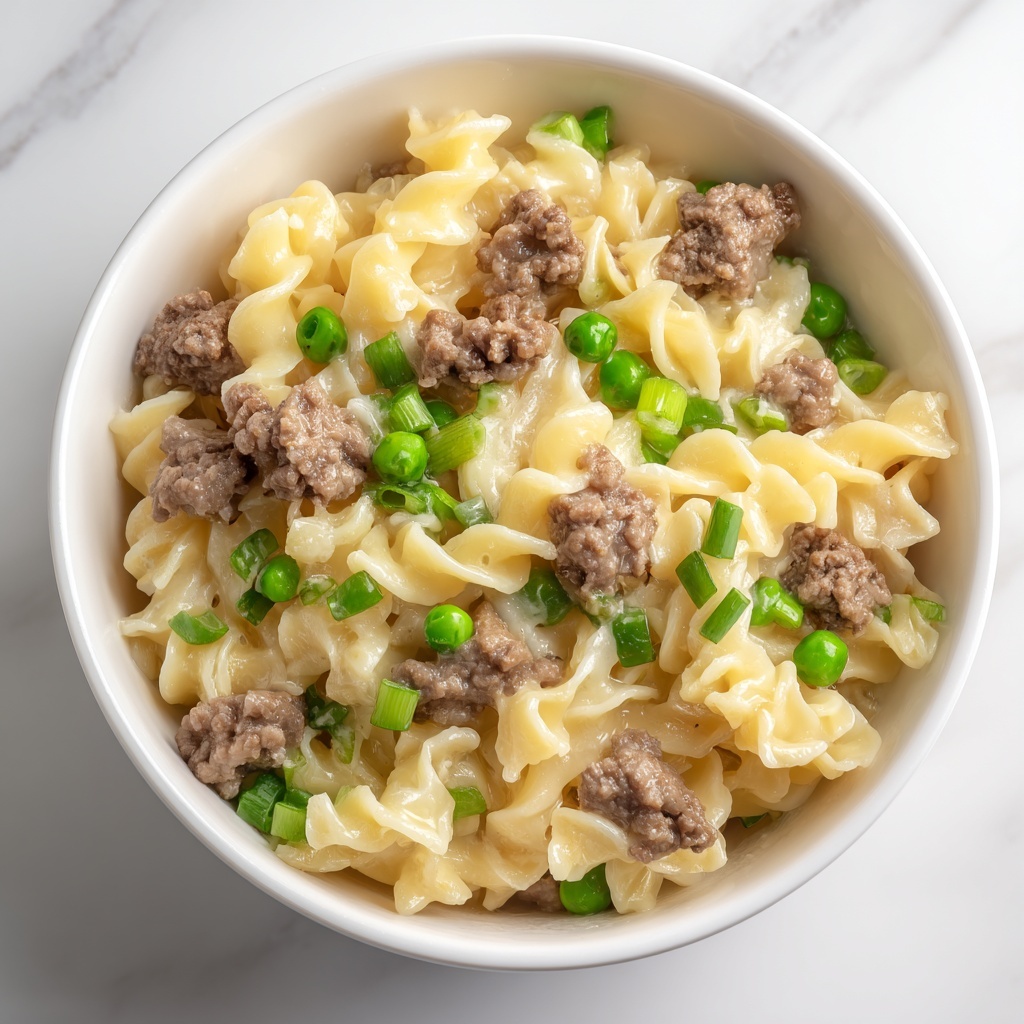
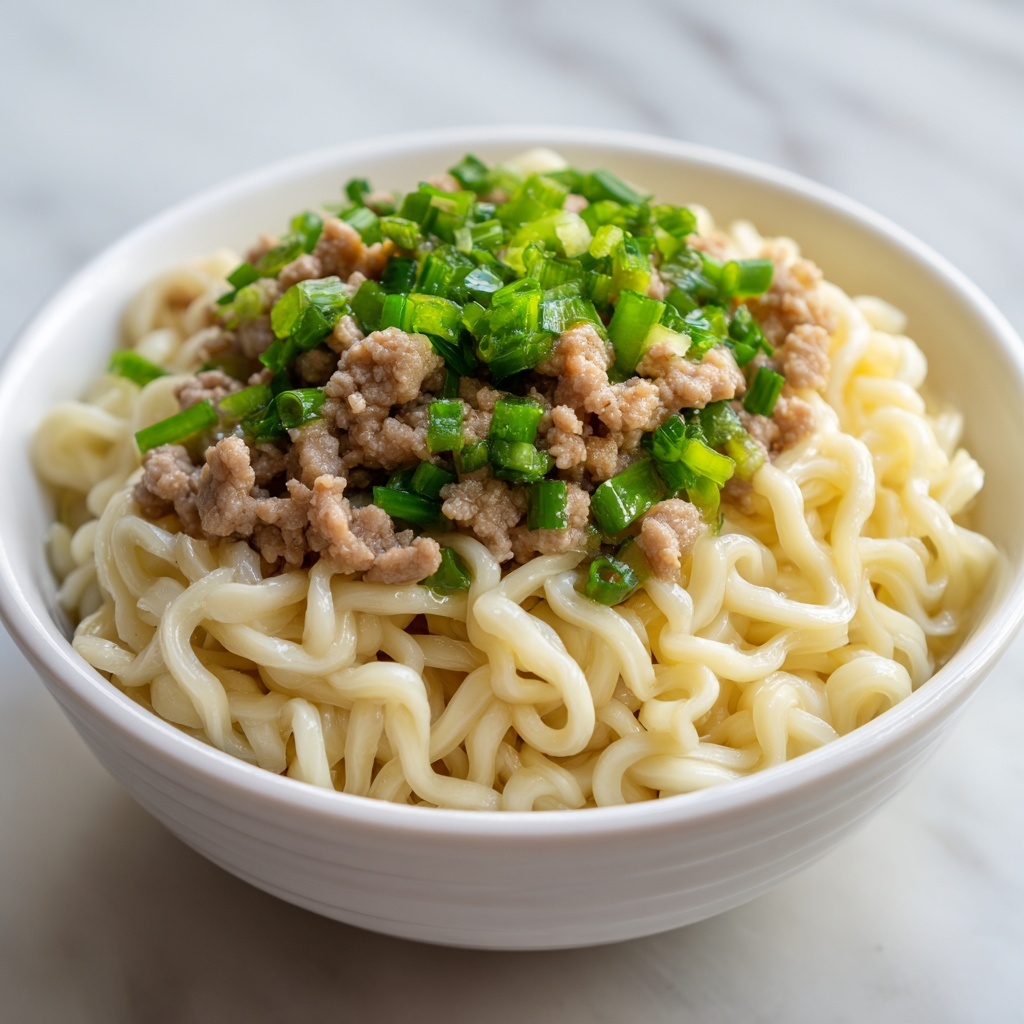
There is something irresistibly satisfying about Dan Dan Noodles: A Delicious Guide to This Spicy Sichuan Classic Recipe. This dish offers a beautiful harmony of fiery, savory, and nutty flavors all wrapped up in perfectly chewy noodles. The rich, aromatic sauce, combined with the tender ground pork and crunchy garnishes, creates an experience that feels both indulgent and comforting. If you’re looking to dive into the vibrant world of Sichuan cuisine, these Dan Dan Noodles will quickly become one of your all-time favorites.
Ingredients You’ll Need
The magic behind Dan Dan Noodles lies in its deceptively simple ingredients. Each one is carefully chosen to build layers of flavor, texture, and color that make this dish so memorable. You probably have most of them on hand, ready to transform your kitchen into a bustling Sichuan eatery.
- 8 oz. fresh or dried Chinese wheat noodles: These give the dish its essential chewy texture—fresh cooks faster and feels silkier.
- 1 tablespoon vegetable oil: A neutral oil perfect for stir-frying and developing the meat’s flavor without overpowering it.
- 1/2 pound ground pork (or chicken): Adds a savory, hearty base; chicken can be a lighter alternative but just as tasty.
- 2 cloves garlic, minced: Garlic brings a fragrant punch that wakes up every bite.
- 1 tablespoon ginger, minced: Ginger injects warmth and a bit of zest to balance the sauce.
- 2 tablespoons doubanjiang (spicy bean paste): The star of Sichuan spice, giving the noodles their bold and complex heat.
- 1 tablespoon soy sauce: Provides essential salty umami to deepen the overall flavor.
- 1 tablespoon rice vinegar: Adds a bright acidity that cuts through the richness perfectly.
- 1 tablespoon sesame oil: Brings that nutty, toasty aroma that defines many Chinese dishes.
- 1 tablespoon peanut butter (or tahini): Offers creamy, nutty richness that rounds out the spicy sauce beautifully.
- 1 cup chicken broth (or water): Helps create the luscious sauce texture while enriching flavor.
- 2 green onions, chopped: Fresh and crisp, used as a garnish to add a pop of color and mild onion bite.
- 1/4 cup roasted peanuts, crushed: Provides delightful crunch and extra nuttiness as a topping.
- 1 tablespoon chili oil (optional): For those who love extra heat to elevate the spice factor.
- Fresh cilantro (optional): Adds a fresh, herbal brightness that complements the bold flavors.
How to Make Dan Dan Noodles: A Delicious Guide to This Spicy Sichuan Classic Recipe
Step 1: Preparing the Noodles
Start by boiling a large pot of salted water to cook your Chinese wheat noodles. Fresh noodles only need 2-3 minutes to become perfectly tender, while dried will take 5-7 minutes. Stir gently now and then to prevent sticking. Once cooked, drain and rinse them under cold water to stop the cooking process and keep them from becoming mushy. Set aside, and get ready for the fun part—building that unforgettable sauce.
Step 2: Building the Flavor Base
Heat your vegetable oil in a skillet or wok over medium heat. Add the ground pork (or chicken) and cook it until it’s nicely browned, which usually takes about 5-7 minutes. This step creates a savory foundation with plenty of rich flavor. Once browned, toss in the minced garlic and ginger and sauté for just about a minute until fragrant. These aromatics combine beautifully with the meat, setting the stage for the spicy sauce that follows.
Step 3: Spicing Things Up With Doubanjiang
Next, add the star ingredient—doubanjiang or spicy bean paste. Stir it into the meat and aromatics well, allowing its complex layers of heat and umami to infuse the dish. It might look simple, but this paste brings a bold, addictive character to the sauce that you won’t find anywhere else.
Step 4: Creating the Sauce
Pour in soy sauce, rice vinegar, and sesame oil, stirring them in and letting everything mingle together for about two minutes. This combination provides savory saltiness, tangy brightness, and that unmistakable nutty spirit. Then add your creamy peanut butter or tahini and mix until the sauce becomes smooth and luscious. Gradually add the chicken broth while stirring, letting it simmer for 3 to 5 minutes. The broth helps to thin the sauce slightly and highlight all the flavors.
Step 5: Bringing It All Together
Time to combine the noodles with your spicy, nutty sauce. Toss them gently in the skillet or wok so that each strand is lovingly coated. If the sauce feels too thick, add a splash more broth or water to get that perfect consistency. Let the noodles warm through for an extra 2-3 minutes, soaking up all that goodness. Then, turn off the heat and scoop your Dan Dan Noodles into bowls, ready for garnishing.
How to Serve Dan Dan Noodles: A Delicious Guide to This Spicy Sichuan Classic Recipe
Garnishes
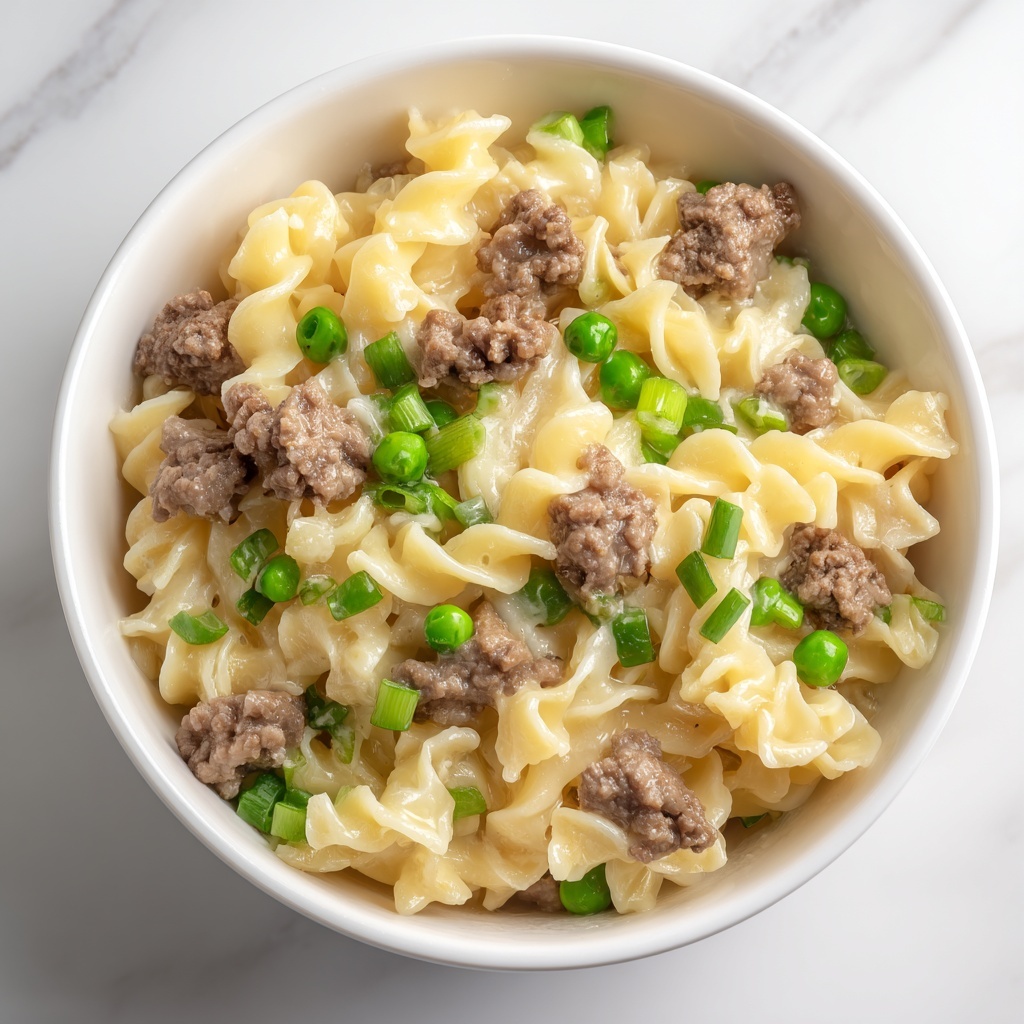
The garnishes really make Dan Dan Noodles sing. Sprinkle the chopped green onions and crushed roasted peanuts on top for that essential fresh crunch and nutty contrast. Drizzling a spoonful of chili oil adds an irresistible fiery edge, but feel free to adjust to your spice level. A few cilantro leaves offer a cool, herbal lift that balances the rich flavors perfectly.
Side Dishes
Dan Dan Noodles are bold and flavorful enough to stand on their own, but pairing them with some simple side dishes can make your meal even more exciting. Light and refreshing cucumber salad, simple steamed bok choy, or even some crispy spring rolls work beautifully alongside. The goal is to have a little contrast with fresh or crunchy textures to complement the noodles.
Creative Ways to Present
If you want to impress your guests, try layering your Dan Dan Noodles in clear glass bowls or presenting them on wide, shallow plates so all the colorful toppings shine. A sprinkle of toasted sesame seeds adds a lovely finishing touch. You can also add a soft-boiled egg on the side for extra richness and visual appeal. These little details elevate the experience and make every bite feel special.
Make Ahead and Storage
Storing Leftovers
Leftover Dan Dan Noodles can be stored in an airtight container in the refrigerator for up to three days. The noodles will soak up more sauce as they rest, intensifying the flavors, so don’t be surprised if it tastes even better the next day. Just keep the garnishes separate to maintain their crunch.
Freezing
While you can freeze the cooked sauce portion, it’s best to avoid freezing the noodles themselves, as they tend to get mushy upon thawing. Freeze the sauce in a sealed container for up to one month. When you’re ready, thaw it overnight in the fridge and reheat gently, then toss with freshly cooked noodles for the best texture.
Reheating
To reheat, warm the sauce gently in a pan over medium heat, adding a little broth or water to loosen it if needed. Toss fresh noodles in the warmed sauce and heat through for a couple of minutes. Avoid microwaving as it can dry out the noodles and unevenly heat the dish. Fresh garnishes always taste best when added after reheating.
FAQs
Can I make Dan Dan Noodles vegetarian?
Absolutely! To keep the essence of this classic dish, swap the ground pork for finely chopped mushrooms or tofu. Using vegetarian doubanjiang and vegetable broth also ensures the sauce remains flavorful and spicy.
What if I can’t find doubanjiang?
Doubanjiang is a key ingredient but if it’s hard to find, you can try substituting it with a mix of chili paste and miso for umami depth. However, the authentic spicy bean paste truly makes the dish special, so it’s worth seeking out.
How spicy is this dish?
Dan Dan Noodles have a pleasant spicy kick mostly from doubanjiang and optional chili oil. If you prefer milder flavors, reduce the amount of spicy bean paste or omit chili oil. For spice lovers, feel free to increase both!
Can I prepare the sauce in advance?
Yes, the sauce can be made a day ahead and refrigerated. This actually helps the flavors meld beautifully. Just reheat gently before combining with freshly cooked noodles when ready to serve.
What noodles work best?
Chinese wheat noodles are traditional for this dish because of their chewy texture. Fresh noodles cook quickly and have a tender bounce, but dried noodles work well too. Avoid very thin noodles or other types that might get mushy or lose texture in the sauce.
Final Thoughts
I truly hope you feel inspired to try Dan Dan Noodles: A Delicious Guide to This Spicy Sichuan Classic Recipe at home. It’s a dish that invites you to explore bold flavors, delicate textures, and a perfect balance of heat and richness. Once you master it, you’ll want to make it again and again, sharing your love for this iconic Sichuan dish with friends and family. Happy cooking and even happier eating!
Print
Dan Dan Noodles: A Delicious Guide to This Spicy Sichuan Classic Recipe
- Prep Time: 10 minutes
- Cook Time: 25 minutes
- Total Time: 35 minutes
- Yield: 2 servings
- Category: Main Course
- Method: Stovetop
- Cuisine: Sichuan, Chinese
Description
Dan Dan Noodles are a spicy, flavorful Sichuan classic featuring tender wheat noodles coated in a rich, savory sauce made from ground pork, spicy bean paste, peanut butter, and aromatic seasonings. This recipe delivers an authentic balance of heat, tang, and umami, garnished with crunchy peanuts and fresh herbs for texture and freshness.
Ingredients
Noodles
- 8 oz. fresh or dried Chinese wheat noodles
Sauce and Toppings
- 1 tablespoon vegetable oil
- 1/2 pound ground pork (or chicken, if preferred)
- 2 cloves garlic, minced
- 1 tablespoon ginger, minced
- 2 tablespoons doubanjiang (spicy bean paste)
- 1 tablespoon soy sauce
- 1 tablespoon rice vinegar
- 1 tablespoon sesame oil
- 1 tablespoon peanut butter (or tahini for a different flavor)
- 1 cup chicken broth (or water)
- 2 green onions, chopped (for garnish)
- 1/4 cup roasted peanuts, crushed (for garnish)
- 1 tablespoon chili oil (optional, for extra heat)
- Fresh cilantro (for garnish, optional)
Instructions
- Boil the noodles: Bring a large pot of water with a pinch of salt to a boil. Add the Chinese wheat noodles and cook according to their type—fresh noodles for 2-3 minutes or dried noodles for 5-7 minutes. Stir occasionally to prevent sticking.
- Drain and cool noodles: Drain the cooked noodles and rinse them under cold water to stop cooking and remove excess starch. Set aside.
- Cook the meat: Heat vegetable oil in a large skillet or wok over medium heat. Add the ground pork or chicken, sautéing it until browned and fully cooked, about 5-7 minutes.
- Add aromatics: Stir in the minced garlic and ginger, cooking for about 1 minute until fragrant to build flavor.
- Incorporate doubanjiang: Add the spicy bean paste to the meat mixture and mix thoroughly, allowing the heat and depth of flavor to develop.
- Season the sauce: Pour in soy sauce, rice vinegar, and sesame oil. Stir and cook for 2 minutes to meld the flavors.
- Add peanut butter and broth: Stir in the peanut butter (or tahini) until the sauce is creamy. Gradually add chicken broth or water, stirring continuously. Let the sauce simmer for 3-5 minutes until it thickens slightly.
- Toss noodles with sauce: Add the cooked noodles to the skillet with the sauce. Toss well to coat every strand. If the sauce is too thick, add a little more broth or water.
- Heat through: Continue cooking and tossing the noodles for 2-3 minutes so they absorb the sauce and warm completely.
- Garnish and serve: Remove from heat and divide into serving bowls. Garnish with chopped green onions, crushed roasted peanuts, and a drizzle of chili oil for extra spice if desired. Optionally, sprinkle with fresh cilantro before serving.
Notes
- Use fresh noodles when possible for the best texture; dried noodles work well but adjust cooking time accordingly.
- Ground chicken can be substituted for pork for a lighter version.
- Doubanjiang is key to authentic flavor; adjust quantity depending on your spice tolerance.
- Peanut butter adds creaminess—substitute with tahini for a different but complementary flavor.
- Chili oil is optional but recommended for an extra kick.
- Rinsing noodles with cold water stops overcooking and prevents stickiness.
- If sauce is too thick, thin it with additional broth or water to your preferred consistency.