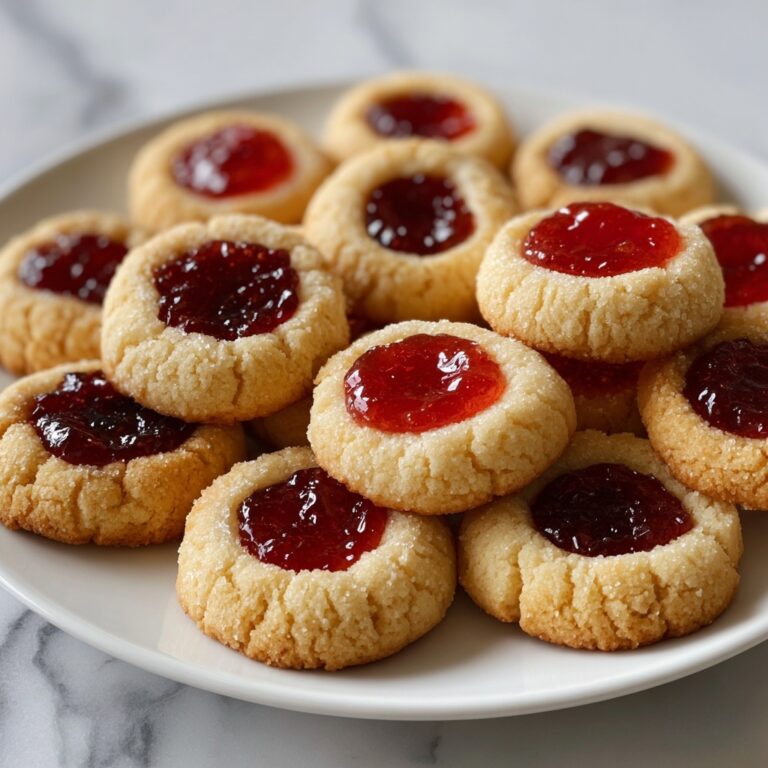
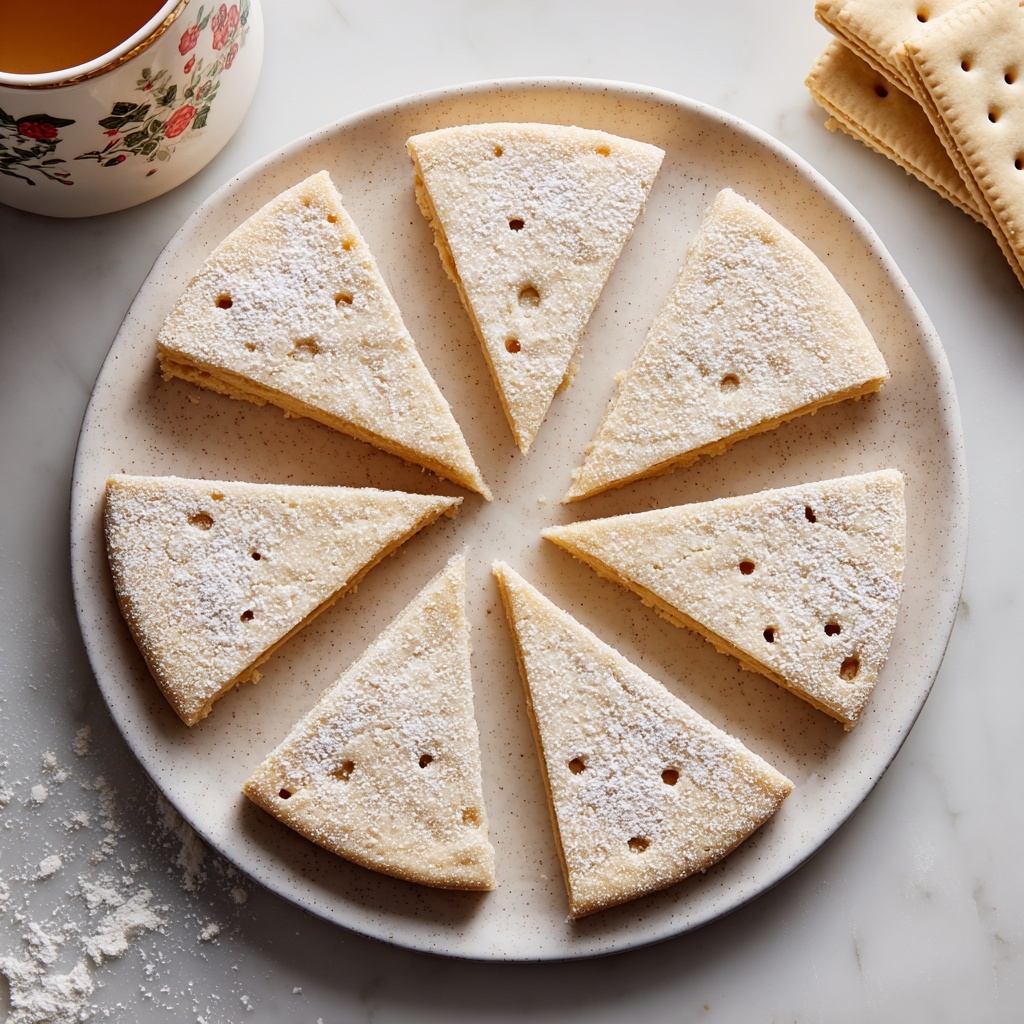
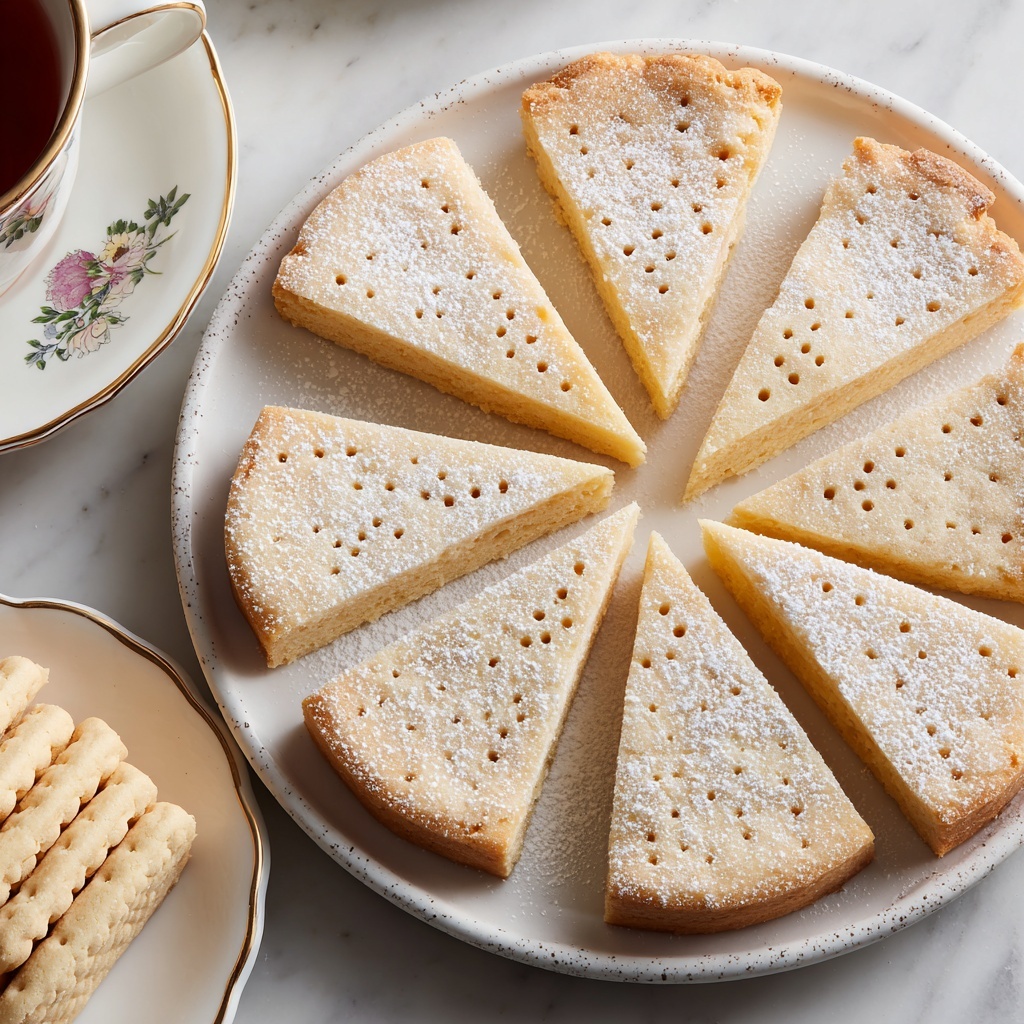
If you’re craving a buttery, melt-in-your-mouth treat that feels like a warm hug from the Emerald Isle, this All-Butter Irish Shortbread Recipe is exactly what you need. Made with simple, time-honored ingredients like rich Irish butter and just a touch of sugar, this shortbread has that classic crumbly texture and subtly sweet flavor that keeps you coming back bite after bite. Whether you’re enjoying it with tea, gifting it for the holidays, or simply indulging your sweet tooth, this recipe transforms ordinary ingredients into a beloved Irish tradition that’s sure to become a household favorite.
Ingredients You’ll Need
When it comes to the All-Butter Irish Shortbread Recipe, quality and simplicity reign supreme. Each ingredient plays a starring role, contributing to the cookie’s delicate crumb, rich taste, and beautiful pale-golden color.
- 1 cup (226 g) unsalted Irish butter, softened: Using Irish butter is key for a tender, flavorful shortbread because of its rich creaminess and slightly tangy notes.
- 1/2 cup (100 g) granulated sugar: Provides just the right amount of sweetness and helps the texture stay crisp but tender.
- 2 cups (250 g) all-purpose flour: The backbone of the dough, providing structure while allowing the shortbread to remain crumbly.
- 1/4 teaspoon fine sea salt: Enhances all the flavors and balances the sweetness beautifully.
- 1 teaspoon pure vanilla extract (optional): Adds a subtle warmth and depth, elevating the flavor if you want a hint of something special.
- 2 tablespoons extra granulated sugar for topping: Gives the finished shortbread a delightful sweet crunch on top.
How to Make All-Butter Irish Shortbread Recipe
Step 1: Preheat and Prepare Your Pan
Start by heating your oven to 325°F (163°C). While it warms, line an 8-inch round or square baking pan with parchment paper. This makes removing your shortbread a breeze once baked and ensures an even golden crust all around.
Step 2: Cream the Butter and Sugar
In a large mixing bowl, cream together the softened Irish butter and granulated sugar until the mixture is smooth and light. This step builds the perfect base for a tender shortbread. If you decide to use vanilla extract, stir it in here to infuse your dough with extra aroma and flavor.
Step 3: Combine Dry Ingredients
In a separate bowl, whisk together the all-purpose flour and fine sea salt. This step ensures the salt is evenly distributed throughout the flour, bringing balanced flavor to every bite.
Step 4: Bring the Dough Together
Gradually add the dry mixture into the creamed butter and sugar, mixing gently until a soft dough forms. Be careful not to overmix, as that can make your shortbread tough – the magic is in keeping it tender and crumbly.
Step 5: Press and Prepare for Baking
Press the dough evenly into your prepared pan, smoothing the top with the back of a spoon or your hands. Use a fork to prick the surface lightly all over – this classic step prevents bubbling and gives the shortbread its signature look. Finally, sprinkle the extra granulated sugar over the top for a touch of sparkle and sweetness.
Step 6: Bake to Perfection
Bake in the preheated oven for 30 to 35 minutes. You want the edges to turn a light golden color while the top remains pale. This balance ensures the shortbread is perfectly baked—crispy on the edges and tender inside.
Step 7: Cool and Slice
Remove the shortbread from the oven and let it cool in the pan for about 10 minutes so it firms up slightly. While still warm, cut it into wedges or squares using a sharp knife. Then, allow it to cool completely before lifting it out; this helps the pieces hold their shape beautifully.
How to Serve All-Butter Irish Shortbread Recipe
Garnishes
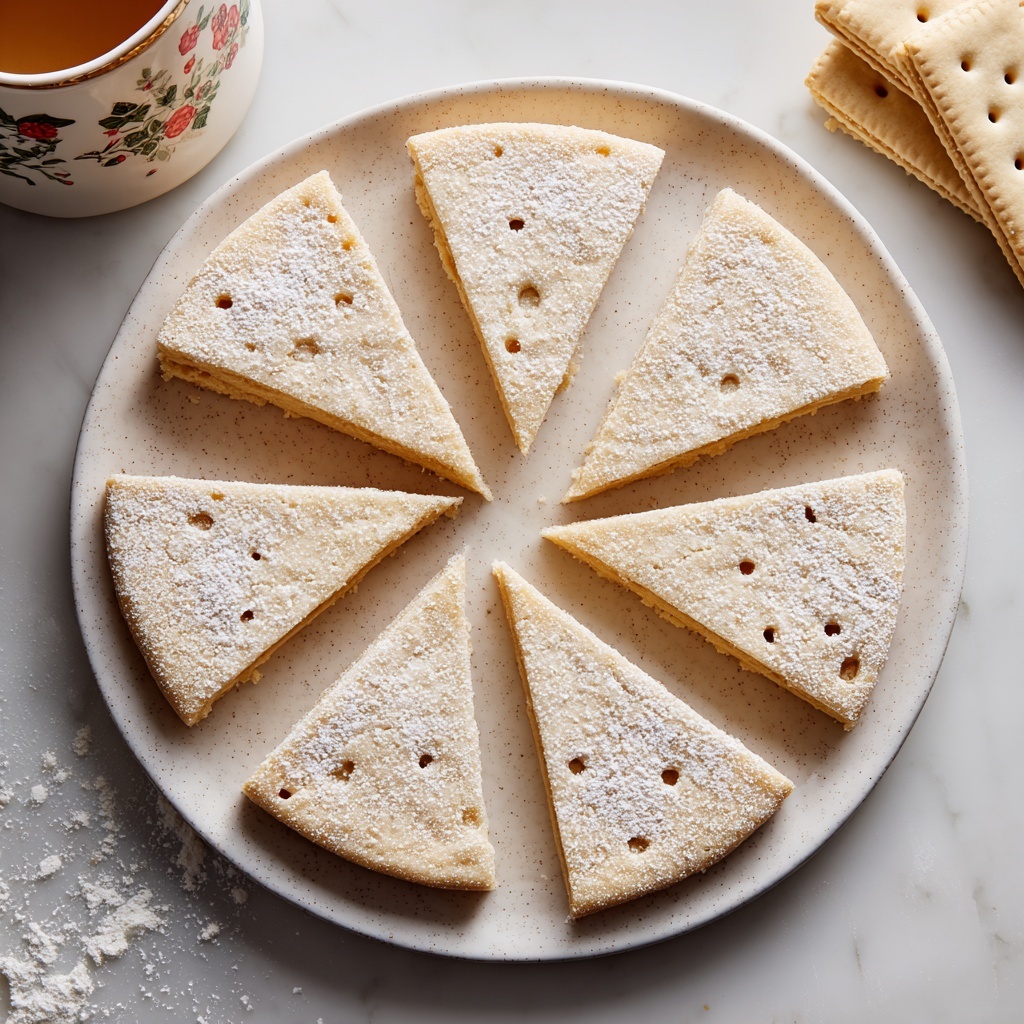
While the All-Butter Irish Shortbread Recipe is heavenly just as it is, a light dusting of powdered sugar or a sprinkle of coarse sugar crystals can add a festive touch. For special occasions, a few fresh mint leaves or a thin spread of lemon curd on each piece can brighten the flavor profile wonderfully.
Side Dishes
This shortbread pairs wonderfully with a hot cup of tea—think classic Irish Breakfast or Earl Grey. It also complements rich, creamy desserts like custard or a drizzle of chocolate sauce, making it an elegant yet simple side treat to any dessert plate.
Creative Ways to Present
Serve your shortbread stacked on a rustic wooden board or in a pretty tin tied with a ribbon for gifting. You can even sandwich two pieces together with raspberry jam or clotted cream for a delightful twist that doubles as a snack or dessert that everyone will rave about.
Make Ahead and Storage
Storing Leftovers
Store your Irish shortbread in an airtight container at room temperature. It keeps wonderfully fresh for up to a week, maintaining that tender, buttery texture that makes every bite so special.
Freezing
If you want to keep the joy of this All-Butter Irish Shortbread Recipe on hand for longer, freeze the baked pieces in a sealed container or freezer bag for up to three months. Just thaw at room temperature before enjoying.
Reheating
Shortbread is best enjoyed as is at room temperature, but if you want to warm it slightly, pop individual pieces into a warm oven (about 300°F/150°C) for a few minutes until just warmed through. This revives that fresh-from-the-oven feeling beautifully.
FAQs
Can I use regular butter instead of Irish butter?
While regular unsalted butter will work fine, Irish butter has a higher butterfat content and subtle tang that really enhances the richness and flavor in this recipe, so it’s worth seeking out for that authentic taste.
Is it necessary to prick the dough with a fork?
Pricking the dough helps steam escape during baking, preventing unwanted air bubbles and ensuring the shortbread bakes evenly with that classic, attractive texture.
Can I add flavors like citrus zest or spices?
Absolutely! Adding lemon or orange zest or a pinch of cinnamon or nutmeg can create delicious variations. Just be sure to keep the additional ingredients subtle to preserve the shortbread’s delicate balance.
How thick should I press the dough in the pan?
Press the dough evenly about 1/2 to 3/4 inch thick. This thickness helps achieve the perfect texture—crispy edges with a tender center.
Why is the top pale but edges golden?
This happens because the edges bake faster and caramelize slightly, giving you a tender interior with a nicely browned crust—signifying perfectly baked shortbread.
Final Thoughts
There’s something truly comforting and joyful about making the All-Butter Irish Shortbread Recipe—it’s simple, classic, and brimming with buttery goodness. Once you try it, you’ll understand why it’s a cherished Irish delight and a perfect treat to share with friends and family. So go ahead, bake a batch, savor every crumb, and let this little taste of Ireland brighten your day.
Print
All-Butter Irish Shortbread Recipe
- Prep Time: 10 minutes
- Cook Time: 35 minutes
- Total Time: 45 minutes
- Yield: 12 servings
- Category: Dessert
- Method: Baking
- Cuisine: Irish
- Diet: Vegetarian
Description
All-Butter Irish Shortbread is a classic, tender, and buttery cookie made with high-quality Irish butter for a rich flavor. This traditional Irish dessert features a crisp, golden edge and a melt-in-your-mouth texture, perfect for tea time or festive occasions.
Ingredients
Shortbread Dough
- 1 cup (226 g) unsalted Irish butter, softened
- 1/2 cup (100 g) granulated sugar
- 2 cups (250 g) all-purpose flour
- 1/4 teaspoon fine sea salt
- 1 teaspoon pure vanilla extract (optional)
Topping
- 2 tablespoons extra granulated sugar for topping
Instructions
- Preheat and Prepare Pan: Preheat the oven to 325°F (163°C) and line an 8 inch round or square baking pan with parchment paper to prevent sticking and ensure easy removal after baking.
- Cream Butter and Sugar: In a large mixing bowl, cream the softened Irish butter and granulated sugar together until the mixture is smooth, light, and fluffy. If using, mix in the vanilla extract to enhance flavor.
- Combine Dry Ingredients: In a separate bowl, whisk together the all-purpose flour and fine sea salt to evenly distribute the salt throughout the flour.
- Form Dough: Gradually add the dry ingredients to the creamed butter mixture, mixing gently until a soft dough forms. Avoid overmixing to keep the shortbread tender.
- Shape Dough in Pan: Press the dough evenly into the prepared baking pan, smoothing the top with the back of a spoon or your hands for an even surface.
- Prepare for Baking: Use a fork to prick the surface of the dough lightly all over to prevent puffing during baking. Sprinkle the extra granulated sugar evenly on top for a sweet, crunchy finish.
- Bake: Place the pan in the preheated oven and bake for 30 to 35 minutes, until the edges are lightly golden but the top remains pale for the classic shortbread appearance.
- Cool and Cut: Remove the shortbread from the oven and allow it to cool in the pan for about 10 minutes. While still warm, cut into wedges or squares to create the traditional shape.
- Final Cooling: Let the shortbread cool completely before removing from the pan to maintain its shape and texture.
Notes
- Using high-quality Irish butter gives the shortbread a richer flavor and more tender texture.
- Do not overmix the dough, or the shortbread may become tough.
- For a traditional look, score the dough before baking so the pieces separate easily after baking.