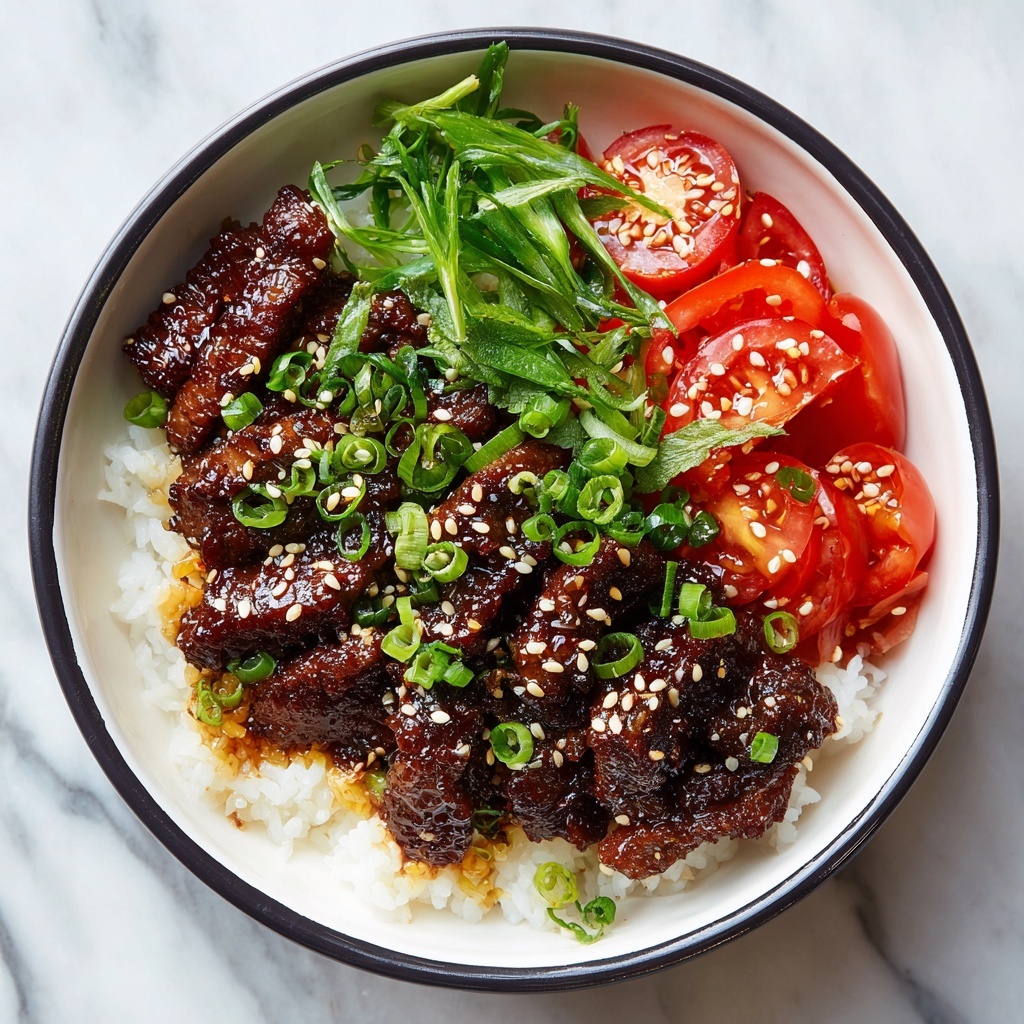
If you’ve ever craved that deep, smoky, and slightly spicy flavor typical of a Japanese BBQ joint but wondered if you could capture it right in your own kitchen, then this Savory Beef Yakiniku: Quick, Authentic Taste at Home Recipe is just what you need. It’s a mouthwatering dish that combines succulent thinly sliced beef with a marinade bursting with umami from soy sauce and gochujang, plus a perfect balance of sweetness and spice. Best of all, it’s straightforward enough to whip up on a weeknight yet impressive enough to serve guests craving an authentic taste experience without leaving home.
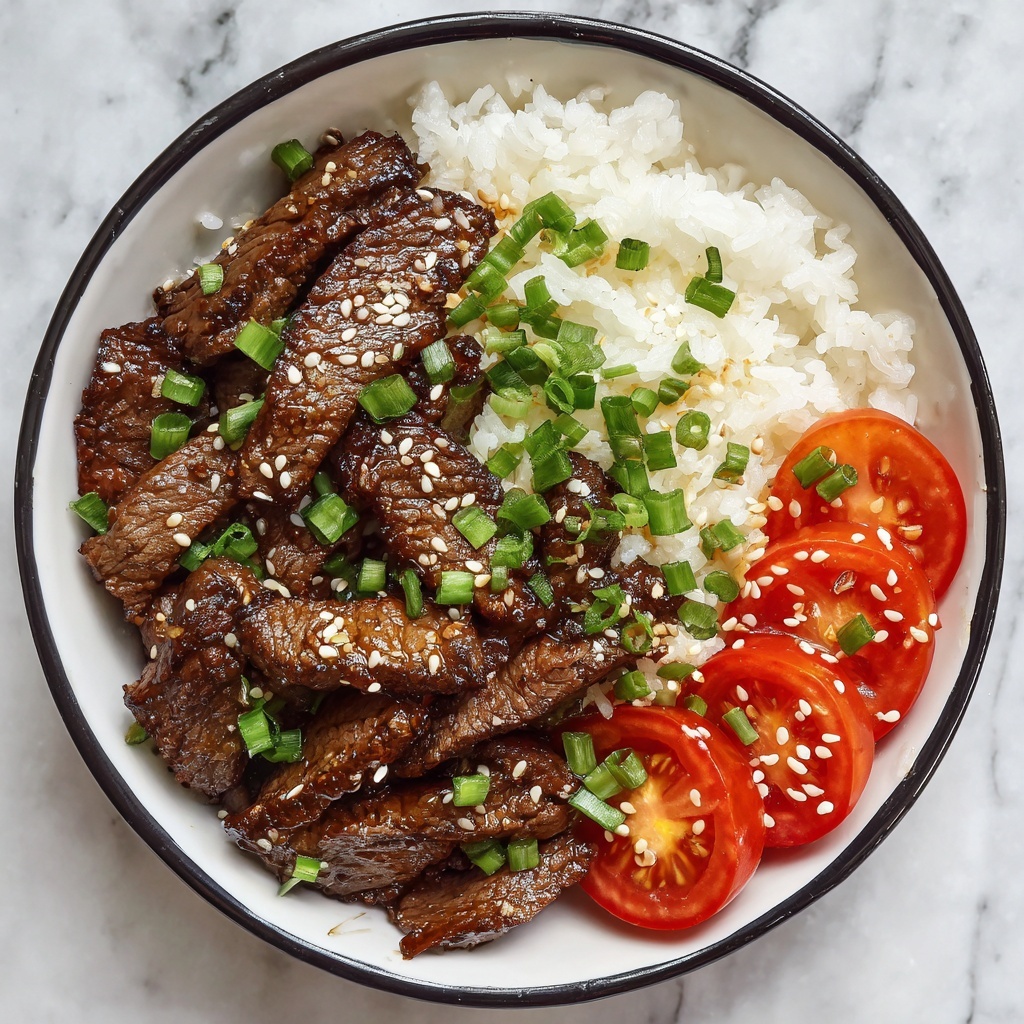
Ingredients You’ll Need
This recipe keeps things simple but every ingredient plays a vital role in creating that authentic yakiniku flavor. From the savory soy sauce base to the hint of ginger’s warmth, each adds dimension to the taste, aroma, and even texture of the beef. Having fresh produce on hand brightens and balances the dish beautifully.
- Low-sodium light soy sauce: Provides a salty, umami-rich foundation while keeping sodium in check.
- Gochujang: Adds a subtle spicy sweetness with deep fermented complexity.
- Mirin: Brings sweetness and a mild acidity to balance savory elements.
- Minced ginger: Injects freshness and slight warmth that lifts the marinade.
- Garlic powder or garlic paste: Delivers deeper aromatic notes without overwhelming the beef.
- Sesame oil: Introduces a fragrant nuttiness crucial to the yakiniku profile.
- Neutral oil (avocado or rapeseed): Ensures high-heat cooking without burning flavors.
- Light brown sugar: Adds subtle caramelization and balances spiciness.
- Flank or skirt steak: The star ingredient, thinly sliced for quick cooking and tender bites.
- Sesame seeds (for garnish): Offer crunch and toasty flavor as a perfect finishing touch.
- Boiled rice: Provides a comforting, fluffy base to soak up every drop of sauce.
- Chopped cucumber and tomato: Fresh and crisp accompaniments that brighten the dish.
How to Make Savory Beef Yakiniku: Quick, Authentic Taste at Home Recipe
Step 1: Prepare the Marinade
Begin by whisking together low-sodium soy sauce, gochujang, mirin, minced ginger, garlic powder or paste, sesame oil, neutral oil, and brown sugar in a large mixing bowl. This blend is where all the magic starts and layering the flavors here ensures the beef soaks up that signature savory-sweet-spicy taste.
Step 2: Marinate the Beef
Add your thinly sliced flank or skirt steak into the marinade, gently tossing to coat every piece evenly. Cover the bowl and pop it in the fridge for about 2 hours. This marinating time is essential because it allows the meat to tenderize and the flavors to deepen completely.
Step 3: Get Your Pan Ready
While your beef marinates, preheat your oven to warm a serving bowl—this will keep your cooked beef nice and warm while you finish the rest. Then, heat a wok or large frying pan on very high heat until it’s smoking hot. Achieving this high temperature is the key to creating that perfect sear and caramelization on your beef.
Step 4: Cook the Beef
For the best texture and flavor, cook the beef in two batches so it doesn’t crowd the pan. Lay half of the marinated slices in a single layer in your hot wok. Let it sear undisturbed for about 3 minutes to develop beautiful caramelized edges, then stir and continue cooking for another 2 to 3 minutes until the meat is browned and slightly crispy. Transfer the cooked beef to the warmed bowl and repeat with the remaining beef.
Step 5: Garnish and Final Touches
Once all the beef is cooked, sprinkle a generous amount of sesame seeds on top. This finishing touch adds a lovely crunch and nutty flavor that really elevates the dish and hints at its authentic roots.
How to Serve Savory Beef Yakiniku: Quick, Authentic Taste at Home Recipe
Garnishes
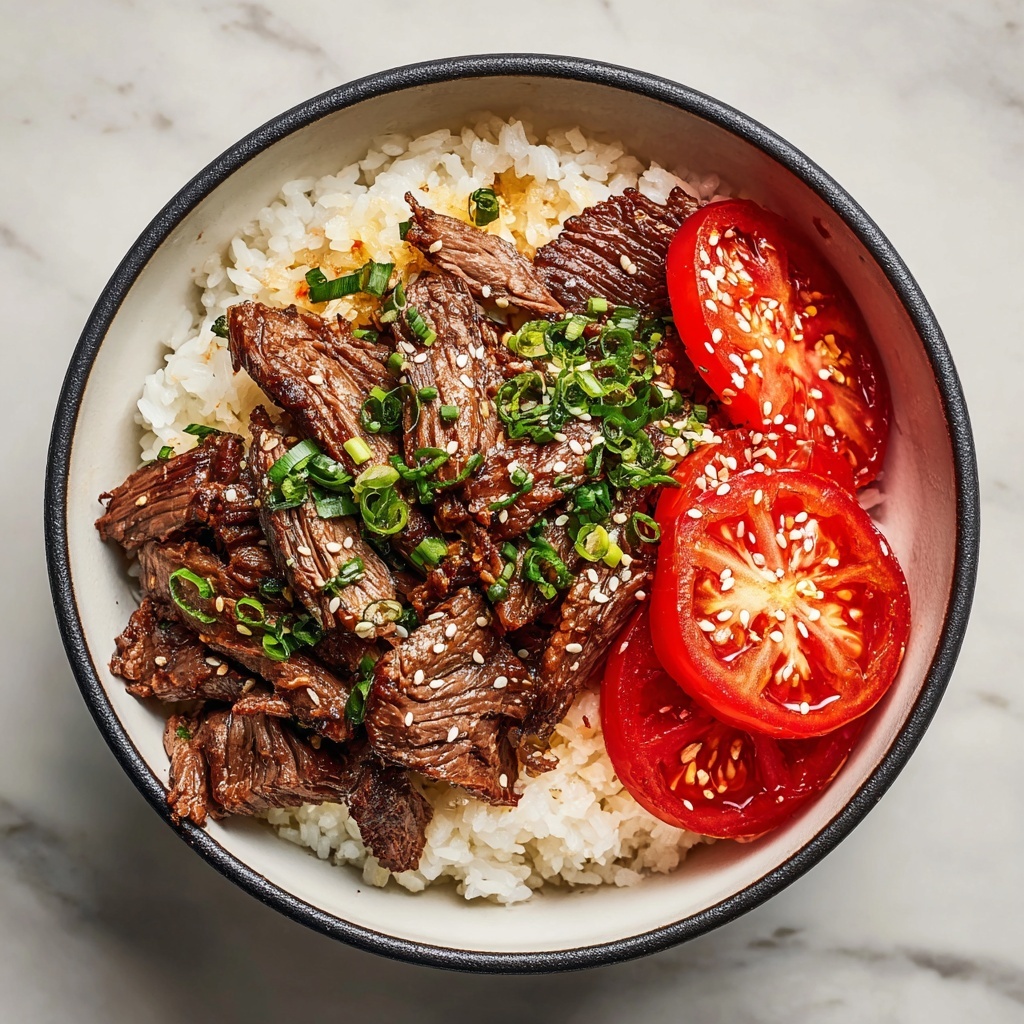
Besides the toasted sesame seeds, fresh cucumber and tomato chopped up and served alongside provide a wonderful crisp contrast to the savory beef. You might also add thinly sliced scallions or a sprinkle of toasted nori flakes if you want to jazz it up even further.
Side Dishes
Steamed white or brown rice is the perfect, simple base that absorbs every bit of flavor from the beef. For something extra, you can add pickled vegetables or a light Asian slaw, which introduces a crunchy, refreshing element that cuts through the richness beautifully.
Creative Ways to Present
Serve the yakiniku beef over a bowl of rice with garnish artfully scattered on top to make it visually appealing. Alternatively, wrap the beef and fresh vegetables in crisp lettuce leaves for a bite-sized hand roll experience. This lets everyone customize their portions and adds a fun, interactive element to your meal.
Make Ahead and Storage
Storing Leftovers
If you happen to have leftovers from your Savory Beef Yakiniku: Quick, Authentic Taste at Home Recipe, store them in an airtight container in the refrigerator. They will keep fresh for up to 3 days, making an excellent next-day lunch or dinner.
Freezing
You can freeze cooked yakiniku beef, though it’s best to freeze only the beef without the rice or fresh vegetables. Place it in a freezer-safe container or resealable bag, and it will maintain good quality for up to 2 months. Thaw overnight in the fridge before reheating.
Reheating
To reheat, warm the beef gently in a skillet over medium heat or in the microwave, adding a splash of water or soy sauce to keep it moist. Avoid overheating to preserve the tender texture and savory flavors that make this recipe so beloved.
FAQs
Can I use different cuts of beef for this recipe?
Yes, flank or skirt steak works best for that thin, tender yakiniku texture, but you can also experiment with sirloin or ribeye slices. Just ensure to slice thinly against the grain to keep the meat tender.
Is gochujang necessary, and can I substitute it?
Gochujang adds a unique spicy, fermented depth that’s central to authentic taste. If unavailable, you can mix a bit of chili paste with a touch of miso paste, but the flavor won’t be quite the same.
How spicy is this Savory Beef Yakiniku: Quick, Authentic Taste at Home Recipe?
The recipe has a gentle kick from gochujang, which is more savory than fiery. You can adjust the heat by reducing or increasing the amount of gochujang according to your preference.
Can I prepare the marinade and beef ahead of time?
Absolutely! Preparing the marinade and letting the beef marinate for the full recommended 2 hours—or even overnight—will deepen the flavors and make the dish even more delicious.
What are some good beverage pairings with this dish?
A light, crisp lager or cold green tea pairs perfectly to balance the richness and spiciness. For non-alcoholic options, sparkling water with a splash of citrus works wonderfully.
Final Thoughts
Bringing that crave-worthy Savory Beef Yakiniku: Quick, Authentic Taste at Home Recipe to your dinner table is easier than you might think, and the results are simply spectacular. It’s a perfect way to enjoy a hearty, flavorful meal without complicated steps or hard-to-find ingredients. I can’t wait for you to try it and fall in love with this delicious taste of Japanese barbecue made effortlessly in your kitchen!
Print
Savory Beef Yakiniku: Quick, Authentic Taste at Home Recipe
- Prep Time: 15 minutes
- Cook Time: 10 minutes
- Total Time: 2 hours 25 minutes
- Yield: 4 servings
- Category: Main Course
- Method: Frying
- Cuisine: Japanese
- Diet: Low Salt
Description
Savory Beef Yakiniku is a quick and authentic Japanese-inspired dish featuring thinly sliced flank or skirt steak marinated in a flavorful blend of soy sauce, gochujang, mirin, ginger, garlic, and sesame oil. This recipe delivers caramelized, tender beef served with fluffy boiled rice and fresh vegetables, making it a perfect balanced meal at home.
Ingredients
Marinade
- 1/4 cup low-sodium light soy sauce
- 2 tablespoons gochujang
- 2 tablespoons mirin
- 1 tablespoon minced ginger
- 1 teaspoon garlic powder or garlic paste
- 1 tablespoon sesame oil
- 2 tablespoons neutral oil (e.g., avocado or rapeseed)
- 1 tablespoon light brown sugar
Main
- 1 pound flank or skirt steak, thinly sliced against the grain
Garnish and Serving
- 2 tablespoons sesame seeds
- 2 cups boiled rice
- 1 cup chopped cucumber
- 1 cup chopped tomato
Instructions
- Prepare the marinade: In a large mixing bowl, whisk together low-sodium light soy sauce, gochujang, mirin, minced ginger, garlic powder or paste, sesame oil, neutral oil, and light brown sugar until fully combined to create a balanced, flavorful marinade.
- Marinate the steak: Add the thinly sliced flank or skirt steak to the marinade and gently toss to coat all pieces evenly. Cover the bowl and refrigerate for 2 hours to allow the beef to absorb the rich flavors.
- Preheat the pan: While the beef marinates, warm a serving bowl in the oven to keep cooked beef warm. Heat a wok over very high heat until smoking hot to ensure a perfect sear for the steak.
- Cook the steak: Cook the beef in two batches for optimal caramelization. Lay half the marinated beef in a single layer in the hot wok and sear undisturbed for about 3 minutes to caramelize the meat. Stir and continue cooking for an additional 2–3 minutes until the beef is nicely browned and slightly crispy. Transfer cooked beef to the warmed bowl and repeat with the remaining beef.
- Garnish and serve: Once all the beef is cooked, sprinkle sesame seeds on top to add crunch and flavor. Serve immediately alongside fluffy boiled rice, chopped cucumber, and fresh tomato for a delicious, authentic meal.
Notes
- For best results, slice the steak thinly against the grain to ensure tenderness.
- Marinating the beef for a full 2 hours intensifies flavor and tenderness.
- High heat is essential for caramelizing the beef without overcooking it.
- Use a smoking-hot wok or heavy skillet to replicate authentic yakiniku searing.
- Serve immediately to enjoy the beef’s optimal texture and warmth.