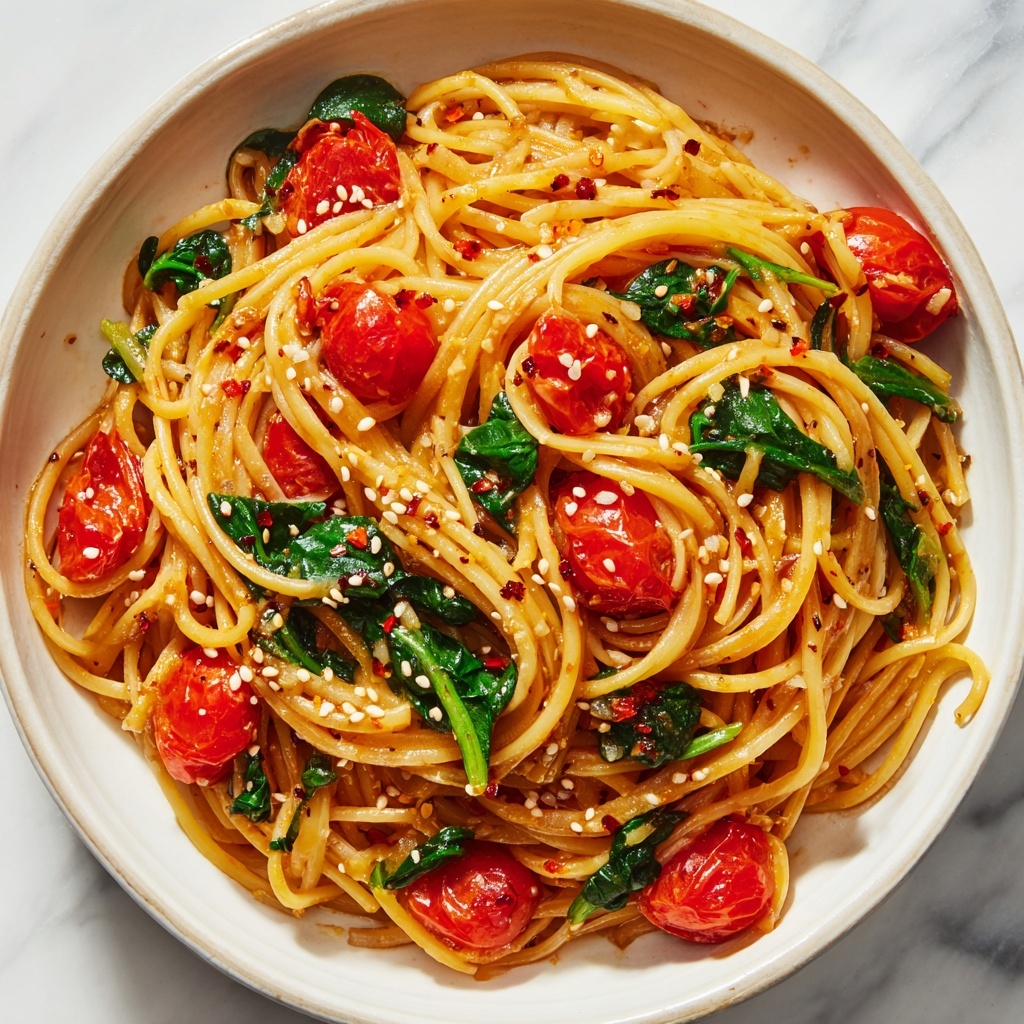
Imagine a dish that perfectly marries spicy Korean flavors with the comforting embrace of Italian pasta—that’s exactly what the Gochujang Pasta: 7 Bold Flavors That Will Delight You Recipe offers. This vibrant recipe bursts with layers of flavor from garlic, fresh cherry tomatoes, and savory soy sauce, tied together beautifully with the iconic depth of gochujang. It’s a quick and exciting way to elevate your pasta night with a bold, harmonious fusion that feels both familiar and refreshingly new. Trust me, once you try this, it will quickly become one of your favorite go-to meals when you crave something with a kick and comfort all in one bowl.
Ingredients You’ll Need
Ingredients You’ll Need
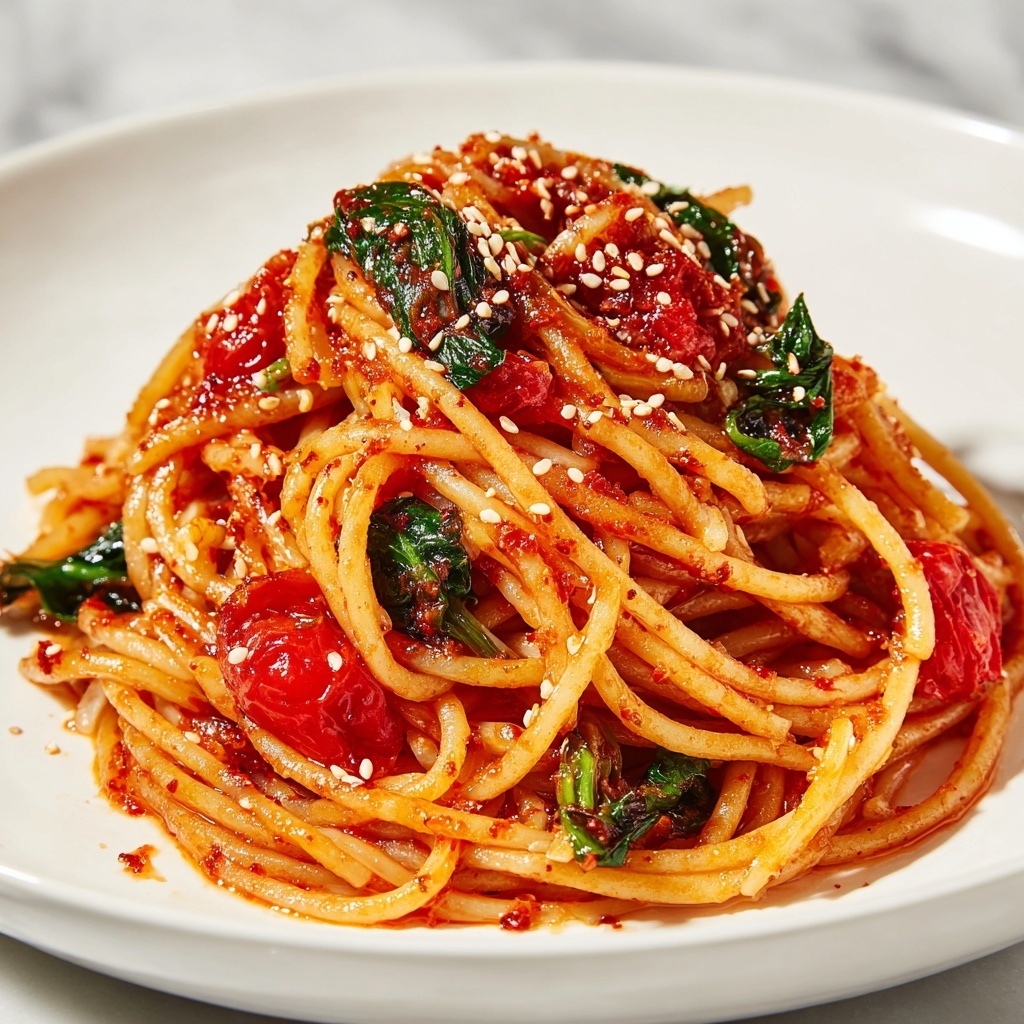
These ingredients are simple, yet each plays a crucial role in creating the delicious complexity of this pasta. From the rich heat of gochujang to the fresh burst of cherry tomatoes, every component adds texture, color, and irresistible taste.
- 200g pasta: Choose your favorite shape, cooked al dente for the perfect bite that holds the sauce beautifully.
- 3 tablespoons Gochujang: The star ingredient, bringing spice, sweetness, and umami all at once.
- 2 tablespoons olive oil: Adds a smooth richness and helps sauté the garlic and veggies evenly.
- 2 cloves garlic, minced: This aromatic base infuses the dish with warmth and depth.
- 1 cup cherry tomatoes, halved: Adds a juicy pop of freshness and a slight natural sweetness to balance the heat.
- 1/2 cup spinach: Provides vibrant color and a subtle, fresh earthiness that lightens the dish.
- 1 tablespoon soy sauce: Injects salty umami that rounds out the bold flavors perfectly.
- 1 tablespoon sesame oil: Offers a nutty aroma and silky finish to each bite.
- Salt and pepper to taste: Essential for seasoning and bringing all flavors into harmony.
How to Make Gochujang Pasta: 7 Bold Flavors That Will Delight You Recipe
Step 1: Cook the Pasta to Perfection
Begin by boiling your pasta in salted water according to the package instructions until it is just al dente. This texture makes the pasta hold onto the sauce beautifully without becoming mushy, setting the foundation for the entire dish.
Step 2: Sauté Garlic in Olive Oil
Heat olive oil in a pan over medium heat and add the minced garlic. Cook it gently until fragrant—this aromatic step builds the warm, savory backbone of your sauce and fills the kitchen with an inviting scent.
Step 3: Add Cherry Tomatoes and Sauté Until Soft
Next, toss in the halved cherry tomatoes. Sautéing them softens their texture and melds their natural sweetness with the garlic’s warmth, creating a juicy base that will marry perfectly with the spice to come.
Step 4: Stir in Gochujang, Soy Sauce, and Sesame Oil
This is where the magic happens. Add gochujang, soy sauce, and sesame oil to the pan, stirring well to combine. The gochujang brings bold heat and a rich fermenty sweetness, the soy sauce layers in umami saltiness, while the sesame oil adds that unmistakable fragrant nuttiness.
Step 5: Mix in Cooked Pasta and Spinach
Now, add the cooked pasta and fresh spinach directly into the pan. Toss everything together gently, allowing the spinach to wilt slightly and the pasta to soak up the vibrant sauce, ensuring every strand is coated with those seven bold flavors.
Step 6: Season and Serve Hot
Finally, season with salt and freshly cracked pepper to taste. Give it one last toss and serve immediately while it’s warm, so you can enjoy the flavors at their peak intensity and the satisfying contrast of silky sauce and tender pasta.
How to Serve Gochujang Pasta: 7 Bold Flavors That Will Delight You Recipe
Garnishes
To elevate this dish even further, consider sprinkling toasted sesame seeds or thinly sliced scallions on top. These little touches add extra texture and visual appeal, while a few fresh basil leaves can bring in a fragrant, herbaceous note.
Side Dishes
This pasta pairs wonderfully with a simple cucumber salad dressed in rice vinegar or a light seaweed salad for an added subtle umami contrast. Crisp vegetable spring rolls or Korean-style kimchi offer a crunchy, refreshing side that balances the richness of the pasta.
Creative Ways to Present
Serve this in deep bowls to showcase the glossy sauce coating the noodles. For a casual twist, plate it alongside a runny fried egg for extra richness, or even stuff the pasta into roasted bell peppers for an eye-catching, flavorful presentation that’s sure to impress at any table.
Make Ahead and Storage
Storing Leftovers
Leftover gochujang pasta tastes great the next day if kept in an airtight container in the fridge. The flavors tend to deepen overnight, making it a perfect option for quick lunches or dinners.
Freezing
If you want to freeze the pasta, it’s best to store only the cooked noodles and sauce together since the spinach can become mushy after thawing. Use a freezer-safe container and consume within two months for optimal freshness.
Reheating
Reheat leftovers gently in a pan over medium-low heat with a splash of water or broth to loosen the sauce. Avoid microwaving straight from the fridge without stirring, as that can dry out the pasta and mute the vibrant flavors you love.
FAQs
Can I use a different type of chili paste instead of gochujang?
While gochujang offers a unique sweet and spicy flavor, you can substitute it with other chili pastes like sambal oelek or even harissa, but the resulting taste will differ somewhat. For the authentic boldness of this recipe, I recommend sticking with gochujang if possible.
Is this recipe spicy?
The heat level depends on the brand of gochujang you use, but generally, it offers a moderate warmth that is balanced by sweetness and umami, making it exciting but approachable for most palates. You can always adjust by using less gochujang or adding more for extra kick.
Can I add protein to this dish?
Absolutely! Grilled chicken, shrimp, or even tofu cubes make excellent additions, boosting the heartiness without overpowering the seven bold flavors that make this pasta special. Just cook your protein separately and fold it in during the final mixing step.
What type of pasta works best?
Long noodles like spaghetti or linguine are ideal since they hold the sauce nicely, but feel free to experiment with penne or fusilli for a fun twist. The key is to cook it al dente so it perfectly clings to that flavorful sauce.
Is this recipe vegan-friendly?
Yes! The core ingredients are plant-based, so it suits a vegan lifestyle perfectly as long as you ensure the pasta doesn’t contain eggs. It’s a wonderfully vibrant and hearty vegan meal option.
Final Thoughts
I can’t recommend the Gochujang Pasta: 7 Bold Flavors That Will Delight You Recipe enough to anyone who loves bold, comforting food with an exciting twist. It’s simple to make, packed with layers of fascinating flavor, and perfect for those times you want something quick but truly memorable. Give it a try—you’ll be amazed at how this fusion of spicy, savory, and fresh ingredients comes together in a dish that feels like a warm hug and a flavor adventure all at once.
Print
Gochujang Pasta: 7 Bold Flavors That Will Delight You Recipe
- Prep Time: 5 minutes
- Cook Time: 20 minutes
- Total Time: 25 minutes
- Yield: 2 servings
- Category: Main Course
- Method: Stovetop
- Cuisine: Korean-Italian Fusion
- Diet: Vegetarian
Description
This Gochujang Pasta recipe combines the bold, spicy Korean chili paste with classic Italian pasta, delivering a unique fusion dish packed with vibrant flavors. The savory blend of garlic, cherry tomatoes, spinach, and soy sauce enhances the rich, umami-packed gochujang, creating a delightful and easy-to-make meal perfect for a quick weeknight dinner.
Ingredients
Main Ingredients
- 200g pasta
- 3 tablespoons Gochujang
- 2 tablespoons olive oil
- 2 cloves garlic, minced
- 1 cup cherry tomatoes, halved
- 1/2 cup spinach
- 1 tablespoon soy sauce
- 1 tablespoon sesame oil
- Salt and pepper to taste
Instructions
- Cook the Pasta: Cook the pasta according to the package instructions until al dente. Drain and set aside.
- Heat the Olive Oil: In a pan over medium heat, warm the olive oil to prepare for sautéing.
- Sauté Garlic: Add the minced garlic to the pan and sauté until fragrant, about 1-2 minutes, ensuring it doesn’t burn.
- Cook Cherry Tomatoes: Add the halved cherry tomatoes to the pan and cook until they become soft and start to release their juices, stirring occasionally.
- Add Sauce Ingredients: Stir in the gochujang, soy sauce, and sesame oil into the pan, mixing well to create a flavorful sauce base.
- Combine Pasta and Spinach: Add the cooked pasta and fresh spinach to the pan, tossing everything together until the spinach wilts and the pasta is well coated with the sauce.
- Season: Taste and season with salt and pepper according to your preference, mixing thoroughly.
- Serve: Serve the pasta hot as a delicious, spicy main dish.
Notes
- You can use any type of pasta, but spaghetti or linguine work best for this sauce.
- Adjust the amount of gochujang depending on your preferred spice level.
- For added protein, consider adding cooked chicken, tofu, or shrimp.
- Use fresh spinach for the best flavor, but frozen can be used if necessary (thawed and drained).
- To make it vegetarian, ensure your soy sauce is free of fish ingredients and omit any animal-based additions.