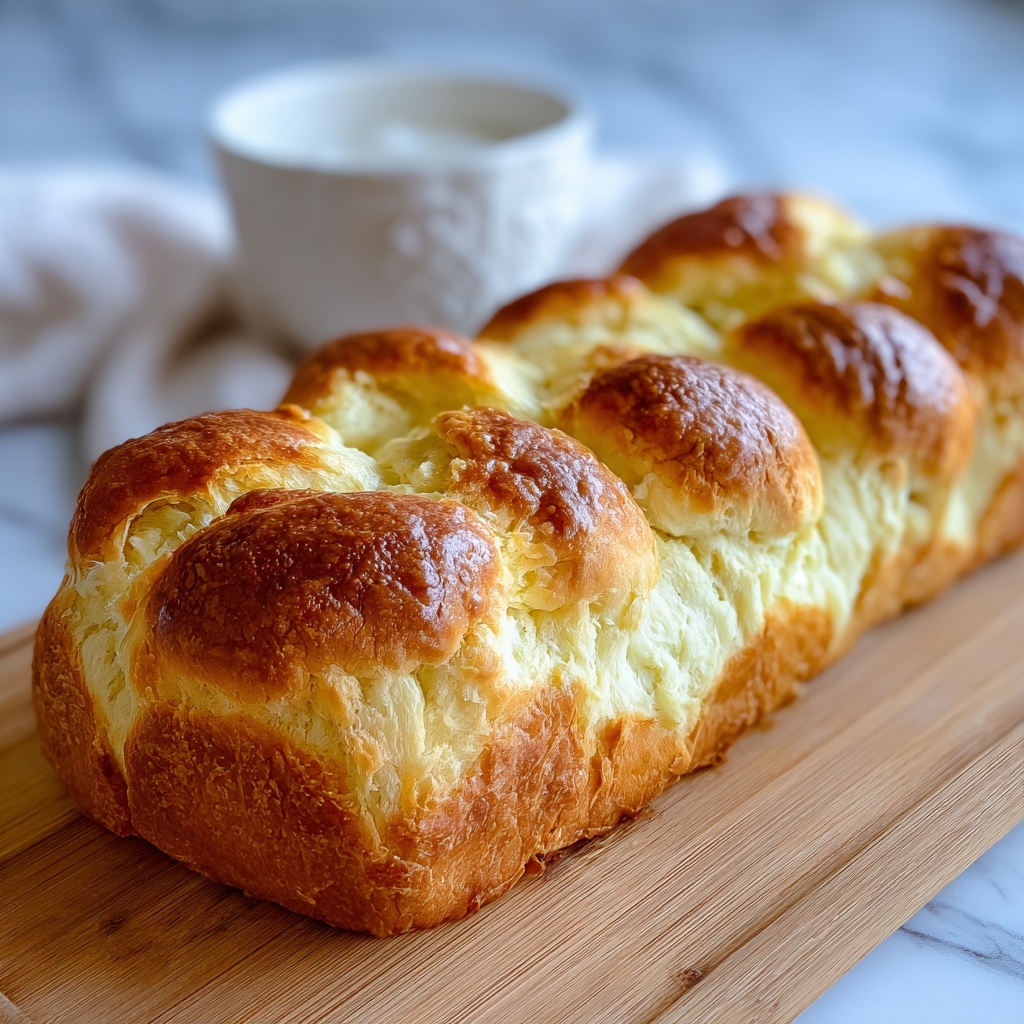
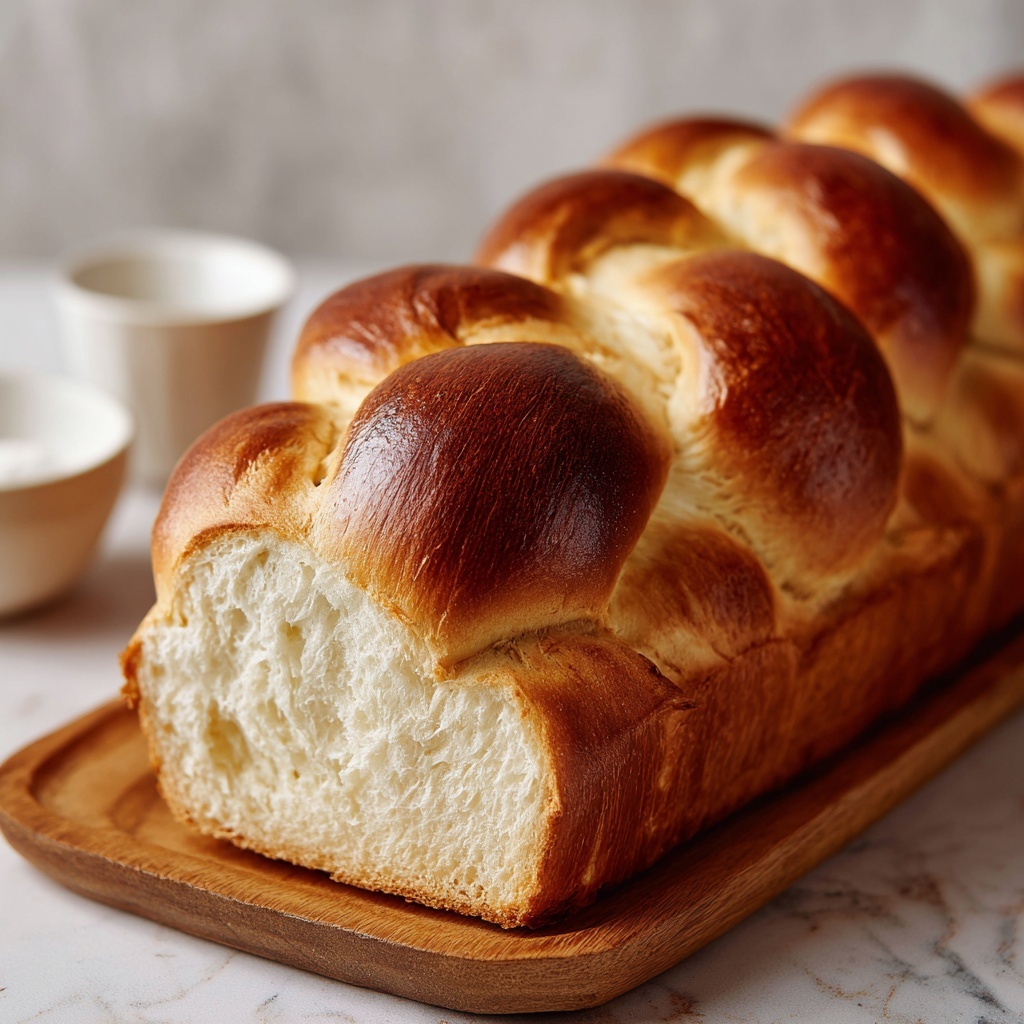
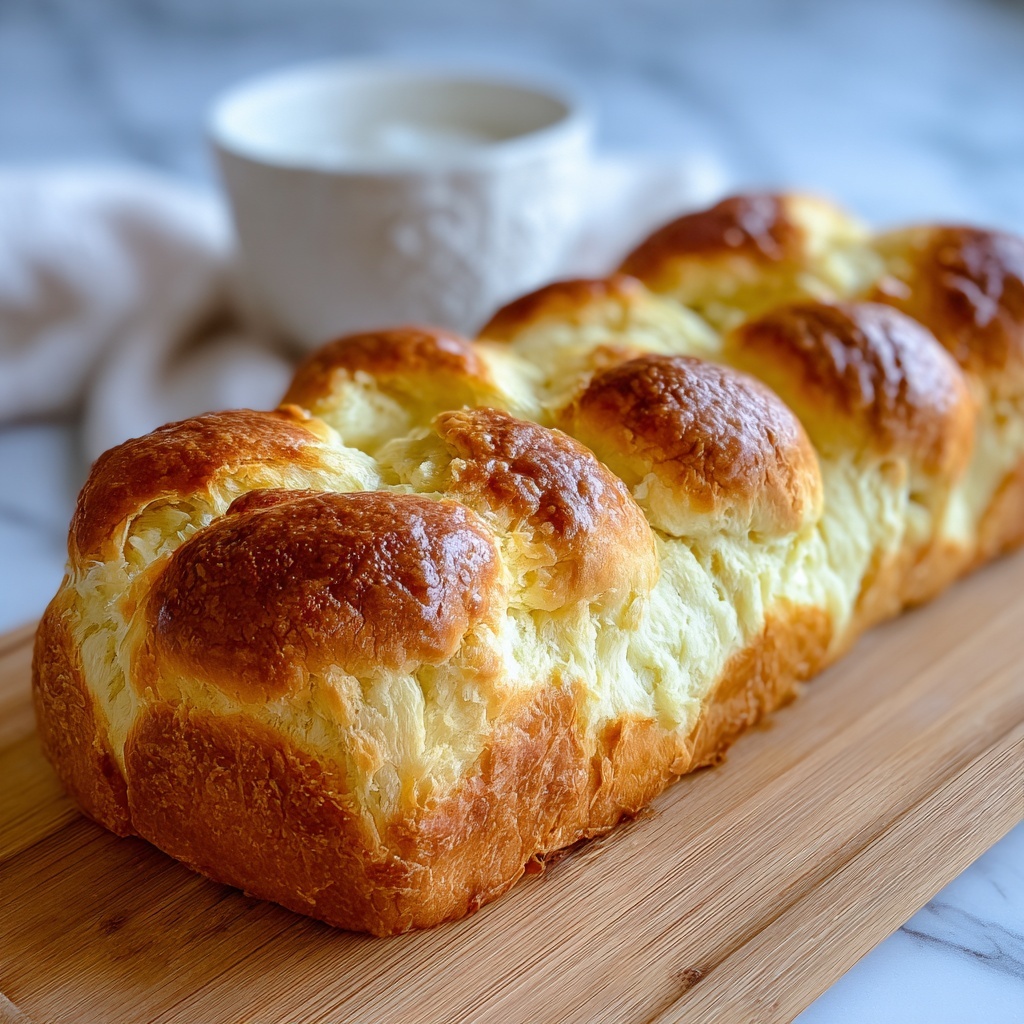
If you’ve ever dreamed of bringing the irresistible aroma and tender crumb of bakery-quality bread right into your own kitchen, then this Soft Fluffy French Bread Recipe is your new best friend. This recipe promises a crust that’s beautifully golden and glossy, with an interior so soft and airy you’ll want to savor every single bite. Perfect for sandwiches, toast, or alongside your favorite meals, this bread combines simple ingredients with a straightforward process, making the magic of French baking wonderfully accessible.
Ingredients You’ll Need
With just a handful of kitchen staples, you can whip up this delightful loaf. Each ingredient plays a crucial role, whether it’s building structure, adding flavor, or creating that perfect golden crust.
- All-purpose flour (2.5–3 cups): The foundation of your bread, providing the gluten structure needed for a soft yet sturdy loaf.
- Warm water (1 cup): Activates the yeast and hydrates the flour to help develop a tender crumb.
- Olive oil or vegetable oil (1 tablespoon): Adds moisture and richness to keep the bread soft and flavorful.
- White granulated sugar (1 tablespoon): Feeds the yeast and encourages browning for that beautiful crust.
- Salt (1 teaspoon): Balances the flavors and strengthens the dough’s structure.
- Active dry yeast (2 teaspoons): The magic ingredient that makes the dough rise and gives the bread its light texture.
- Egg, beaten (for brushing): Creates a shiny, golden finish that’s as inviting as it is delicious.
How to Make Soft Fluffy French Bread Recipe
Step 1: Activate the Yeast
Start by mixing warm water and sugar in a small bowl, then sprinkle your yeast on top. Waiting about five minutes for it to become frothy ensures the yeast is alive and ready to work its magic. This activation step is key to a successful rise and that perfect fluffy texture.
Step 2: Mix Dry Ingredients
While the yeast gets busy, combine your flour and salt in a large bowl. Doing this separately makes sure your salt doesn’t kill the yeast and that your flour is evenly salted, which helps develop the dough’s flavor and structure as you mix.
Step 3: Combine Wet and Dry Ingredients
Pour the yeast mixture and oil into your flour and salt blend. Stir until the dough begins to come together and forms a soft ball. If it feels too sticky, sprinkle in a bit more flour. This stage sets the consistency for kneading.
Step 4: Knead the Dough
Turn your dough out onto a lightly floured surface. Knead for 8 to 10 minutes until it feels smooth and elastic. Kneading develops the gluten network, which traps air bubbles and gives the bread its signature fluffy texture.
Step 5: Let the Dough Rise
Place your dough in a greased bowl and cover it with a clean towel or plastic wrap. Let it rise in a warm spot for about an hour, until it doubles in size. This first rise is essential as it allows flavors to develop and the dough to become airy.
Step 6: Shape and Second Rise
Punch down the risen dough to release trapped air, then shape it into a loaf. Place it on a parchment-lined baking sheet, cover it again, and let it rise another 30 minutes. This second rest helps your loaf relax and expand, ensuring a tender crumb and beautiful shape.
Step 7: Prepare for Baking
Preheat your oven to 375°F (190°C). Before baking, brush the loaf with the beaten egg. This simple step gives the bread a shiny, golden-hued crust that looks just as amazing as it tastes.
Step 8: Bake Your Bread
Bake for 20 to 25 minutes until the crust turns a deep golden brown and sounds hollow when gently tapped. That hollow sound is a baker’s secret signal that your bread is perfectly baked inside.
Step 9: Cool Before Slicing
Allow your bread to cool completely on a wire rack. Cooling helps the bread finish setting its crumb and improves slicing — no gummy or squished pieces here!
How to Serve Soft Fluffy French Bread Recipe
Garnishes
While this bread shines on its own, sprinkling a bit of dried herbs like rosemary or za’atar on top before baking can add an aromatic twist. For a luxurious touch, brush warm slices with garlic butter right out of the oven.
Side Dishes
Soft fluffy French bread is incredibly versatile and pairs beautifully with soups, salads, and stews. It’s a natural alongside creamy tomato soup or alongside a fresh mixed greens salad for a light yet satisfying meal.
Creative Ways to Present
Transform your loaf by slicing it thick for hearty sandwiches or thin for delicate crostini topped with your favorite spreads. You can also hollow it out for a rustic bread bowl that’s great for dips and chili.
Make Ahead and Storage
Storing Leftovers
Keep your leftover bread fresh by storing it in a bread box or loosely wrapped in a clean kitchen towel at room temperature for up to two days. Avoid plastic bags, which can trap moisture and make your crust soggy.
Freezing
If you want to enjoy this Soft Fluffy French Bread Recipe later, slice it first and freeze the slices in a sealed bag. This makes it easy to toast or warm up individual pieces without thawing the whole loaf.
Reheating
To bring back that fresh-baked glow, reheat slices in a toaster or warm the whole loaf briefly in a 350°F oven wrapped in foil. This refreshes the crust and soft crumb, making your bread taste just-baked.
FAQs
Can I use bread flour instead of all-purpose flour?
Absolutely! Bread flour has a higher protein content which can give your loaf more chew and structure, but the Soft Fluffy French Bread Recipe works beautifully with all-purpose flour for a tender bite.
How do I know if my yeast is still good?
If your yeast becomes frothy and bubbly after mixing with warm water and sugar, it’s active and ready. If nothing happens after a few minutes, your yeast may be old or expired and should be replaced for best results.
Can I make this dough without an egg wash?
Yes, skipping the egg wash will result in a softer, less shiny crust but the flavor and texture inside will remain deliciously fluffy. You could also try milk or melted butter for a different finish.
What’s the best temperature for proofing the dough?
A warm, draft-free place around 75-85°F is ideal. You can create this by preheating your oven to the lowest setting for a few minutes, then turning it off and placing your dough inside to rise.
Can I add herbs or seeds to the dough?
Definitely! Adding things like rosemary, thyme, sesame seeds, or poppy seeds either in the dough or sprinkled on top before baking can add exciting flavors and textures to your Soft Fluffy French Bread Recipe.
Final Thoughts
There’s something truly special about baking your own bread, especially one as soft and satisfying as this Soft Fluffy French Bread Recipe. It’s a recipe that’s straightforward enough for everyday baking but yields such a comforting result that everyone will be asking for seconds. So grab your ingredients, get kneading, and treat yourself to the joy of homemade French bread that feels like a hug in every bite.
Print
Soft Fluffy French Bread Recipe
- Prep Time: 20 minutes
- Cook Time: 25 minutes
- Total Time: 1 hour 45 minutes
- Yield: 1 loaf
- Category: Bread
- Method: Baking
- Cuisine: French
Description
This Soft Fluffy French Bread recipe yields a light and airy homemade loaf with a golden crust. Made from simple ingredients, it involves activating yeast, kneading the dough, allowing two rises for perfect fluffiness, and baking to a hollow-sounding crust. Ideal for sandwiches or serving alongside soups and salads.
Ingredients
Dry Ingredients
- 2.5–3 cups all-purpose flour
- 1 teaspoon salt
- 1 tablespoon white granulated sugar
- 2 teaspoons active dry yeast
Wet Ingredients
- 1 cup warm water
- 1 tablespoon olive oil or vegetable oil
- 1 egg, beaten (for brushing)
Instructions
- Activate Yeast: In a small bowl, mix warm water and sugar. Sprinkle yeast over the top and let it sit for 5 minutes until the mixture becomes frothy, indicating the yeast is active.
- Mix Dry Ingredients: In a large bowl, combine the flour and salt thoroughly to evenly distribute the salt.
- Combine Wet and Dry Ingredients: Pour the yeast mixture and oil into the bowl with dry ingredients. Stir gently until a soft dough forms; if the dough is too sticky, add more flour a little at a time.
- Knead Dough: Turn the dough onto a lightly floured surface and knead for 8–10 minutes until the dough is smooth, elastic, and no longer sticky.
- First Rise: Place the dough in a greased bowl, cover with a clean towel or plastic wrap, and let it rise in a warm spot for about 1 hour or until it has doubled in size.
- Shape & Second Rise: Punch down the risen dough to release air, shape it into a loaf, and place it on a parchment-lined baking sheet. Cover and let it rise again for another 30 minutes until puffy.
- Preheat Oven & Prepare Egg Wash: Preheat the oven to 375°F (190°C). Brush the loaf gently with the beaten egg to give the crust a shiny, golden finish.
- Bake: Place the baking sheet in the preheated oven and bake the bread for 20–25 minutes, or until the crust is golden brown and the loaf sounds hollow when tapped on the bottom.
- Cool: Remove the bread from the oven and transfer it to a wire rack to cool completely before slicing to maintain its soft, fluffy texture.
Notes
- Use warm water (about 110°F/43°C) to activate yeast without killing it.
- Kneading is essential to develop gluten which gives the bread structure and fluffiness.
- Letting the dough rise in a warm place helps yeast fermentation and dough expansion.
- The egg wash adds color and shine to the crust but can be omitted for an egg-free version.
- Make sure to cool the bread on a wire rack to keep the bottom from becoming soggy.
- Store leftover bread in an airtight container or freeze for longer preservation.