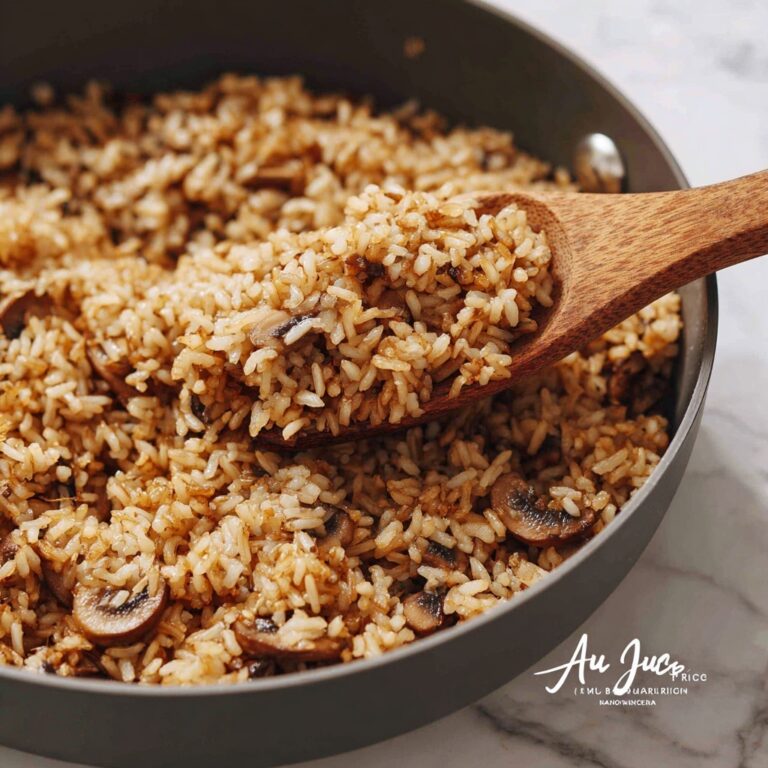
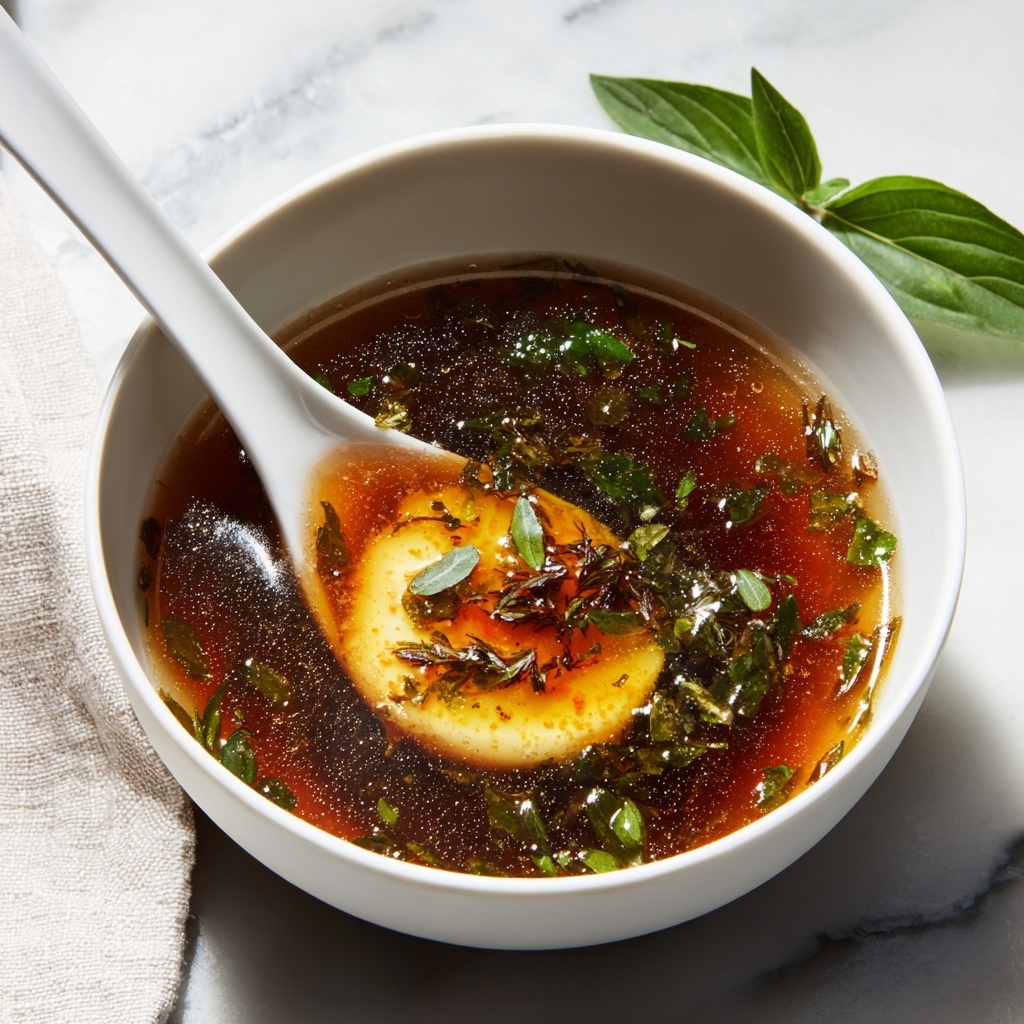
There is something truly comforting and vibrant about a bowl of Japanese Clear Soup: Your Healthy Hibachi Twist at Home Recipe. This delightful soup blends the gentle umami of chicken and beef broths with fresh aromatics like ginger, garlic, and scallions, creating a light yet deeply flavorful broth. It’s a nourishing, warm hug in a bowl that brings restaurant-quality hibachi flavors right to your kitchen, while keeping things fresh, healthy, and simple. Whether you’re looking for a restorative meal or a stylish starter, this recipe is an absolute winner that effortlessly balances taste and wellness.
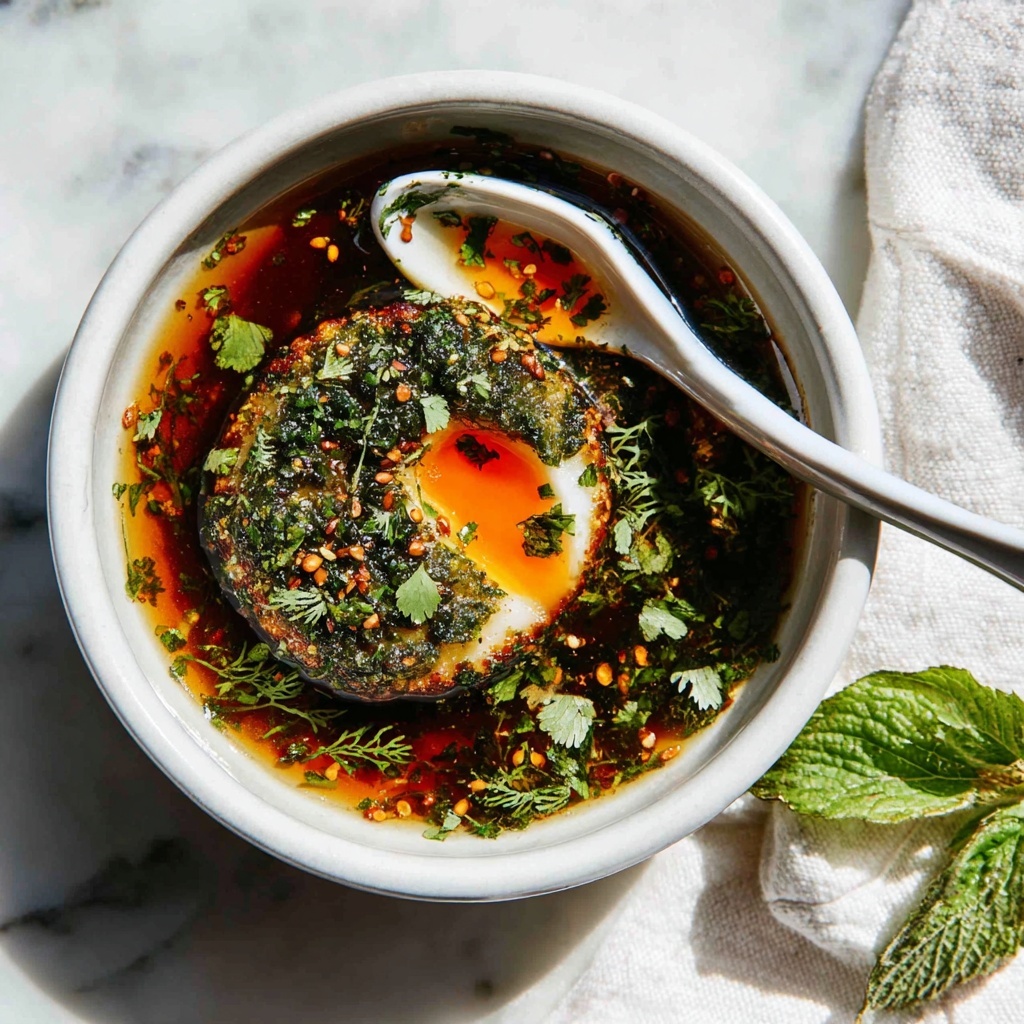
Ingredients You’ll Need
The magic behind this soup lies in its beautifully simple ingredients. Each one delivers something essential: aroma, depth, or a fresh crunch that brings the dish to life. You don’t need a pantry full of exotic items to make it happen, just some thoughtfully selected basics that marry beautifully together.
- Sesame Oil: Adds a subtle nuttiness and is perfect for sautéing veggies to unlock their sweetness.
- Chicken Broth: The heart of the soup with a mild, savory base; homemade or low-sodium is best for control over flavor.
- Beef Broth: Provides a richer depth; vegetarians can swap this for mushroom or vegetable broth without losing the umami boost.
- Water: Used to balance the broth’s intensity and create the signature clarity of the soup.
- Sweet Onion: Caramelizes beautifully, adding gentle sweetness and body to the broth.
- Garlic: Fresh cloves bring an aromatic punch that’s essential to the savory layering.
- Carrots: Contribute mild sweetness and add lovely color and texture chunks.
- Fresh Ginger: Infuses a bright, warming note that lifts the entire soup.
- Scallions: Garnish with their fresh green crispness and mild onion flavor.
- Button Mushrooms: Thinly sliced for a tender bite and earthy undertone.
- Salt: Adjust carefully after simmering to season perfectly without overpowering.
How to Make Japanese Clear Soup: Your Healthy Hibachi Twist at Home Recipe
Step 1: Heat the Sesame Oil
Start by pouring the sesame oil into a large 8-quart stock pot and warming it over medium-high heat. Wait for about 2 minutes until it shimmers, which tells you it’s perfectly hot and ready. This step is key because the oil will help release the aromatic flavors of the veggies as they cook.
Step 2: Sear Your Aromatics
Add in the sweet onions, garlic cloves, chopped carrots, and sliced ginger. Sauté these for about 5 minutes until you notice the edges caramelizing and the kitchen starts smelling beautifully fragrant. This gentle caramelization adds layers of sweetness and depth to your broth.
Step 3: Combine Broths and Water
Carefully pour in the chicken broth, beef broth (or mushroom/vegetable broth if you prefer), and the water. Stir everything together to combine, then bring the mixture to a rolling boil over medium-high heat. This brings out the flavors and melds them into a harmonious base.
Step 4: Simmer Low and Slow
Once boiling, turn the heat down to a gentle low boil, cover your pot, and let the soup simmer for at least 1 hour. This slow simmer is the secret to extracting every bit of flavor from the ingredients, resulting in a clean yet robust broth that’s anything but basic.
Step 5: Skim and Season
After simmering, use a skimmer or slotted spoon to carefully remove the cooked vegetables and aromatics. Then give your broth a careful taste and add salt as needed. You can adjust easily because you’ve developed such a gentle, pure flavor without over-seasoning upfront.
Step 6: Final Touches
Ladle the hot, clear soup into bowls and top with the scallions and thinly sliced button mushrooms. These garnishes add the perfect freshness and soft bite that make each spoonful truly special and reminiscent of a hibachi restaurant experience.
How to Serve Japanese Clear Soup: Your Healthy Hibachi Twist at Home Recipe
Garnishes
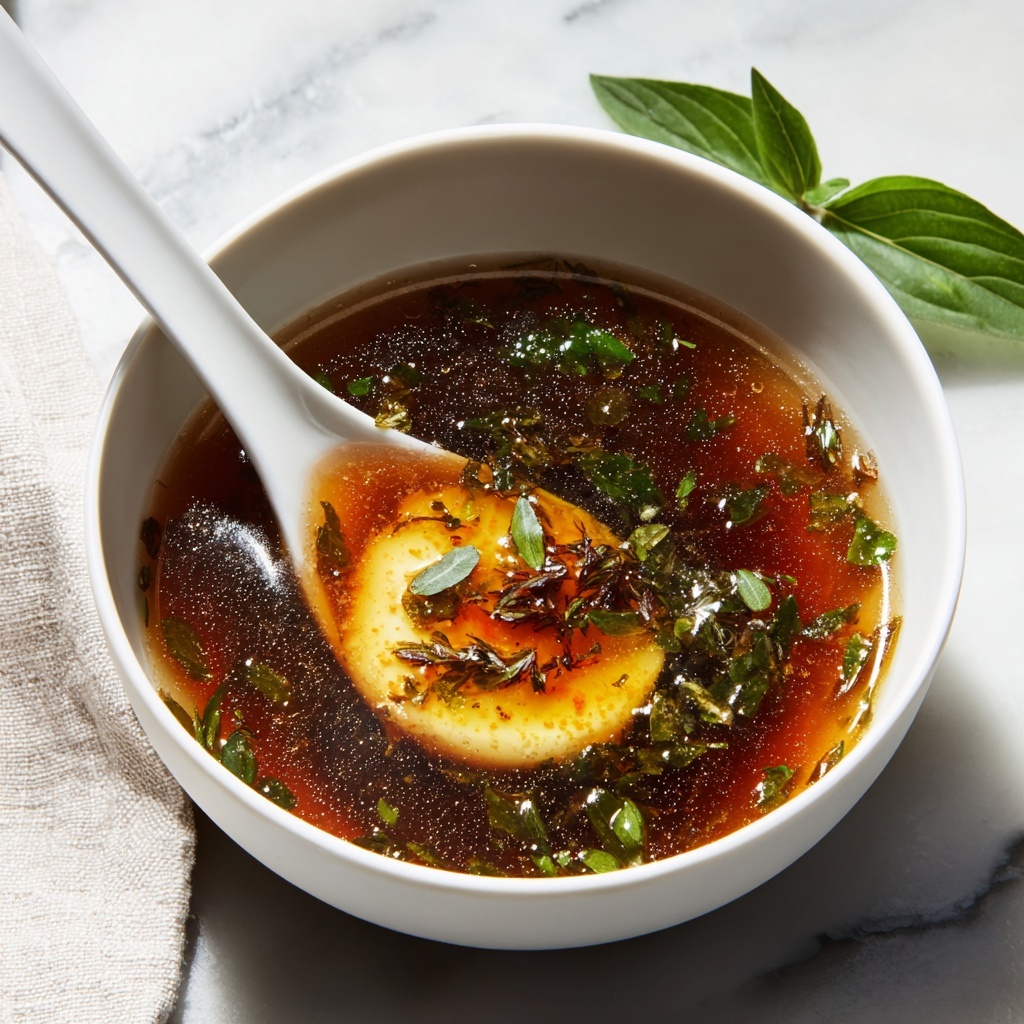
Never underestimate the power of good garnishes. Finely chopped scallions bring a crisp, gentle bite, while thin slices of button mushrooms deliver delicate earthiness. You could also add a sprinkle of toasted sesame seeds or a few sprigs of fresh cilantro for an added burst of color and texture. These finishing touches make each bowl feel thoughtfully crafted and inviting.
Side Dishes
This Japanese Clear Soup: Your Healthy Hibachi Twist at Home Recipe pairs beautifully with a range of sides. Think steamed jasmine rice or garlic fried rice for a hearty accompaniment. You could also round out the meal with a simple cucumber salad or edamame for lightness. If you want to replicate a hibachi feel, grilled teriyaki chicken or shrimp fits the bill perfectly alongside this soup.
Creative Ways to Present
Serve your soup in elegant, shallow bowls to highlight the clarity of the broth and the vibrant color of garnishes. For an informal, cozy vibe, use rustic ceramic mugs or deep teacups. To really impress guests, ladle the soup tableside from a beautiful pot, encouraging interaction and that warm, shared dining experience reminiscent of enjoying hibachi with friends.
Make Ahead and Storage
Storing Leftovers
Once cooled, transfer any leftover soup into airtight containers and refrigerate. It will keep well for up to 3 days, maintaining its fresh flavors and nourishing qualities. This makes it a fantastic option for quick lunches or light dinners throughout your busy week.
Freezing
You can freeze the broth on its own in freezer-safe containers for up to 2 months. However, avoid freezing the mushrooms and scallions as they tend to lose their texture. When you’re ready to enjoy it again, just thaw in the fridge overnight and reheat gently on the stove.
Reheating
Reheat your Japanese Clear Soup: Your Healthy Hibachi Twist at Home Recipe slowly over low heat to preserve its delicate flavors. Avoid boiling again which can dull the broth. Add fresh scallions or mushrooms right before serving to bring back that freshly-made charm.
FAQs
Can I make this soup vegetarian?
Absolutely! Simply substitute the chicken and beef broths with high-quality vegetable or mushroom broth. This swap still gives you rich umami flavor without the meat base while keeping it healthy and delicious.
Why use both chicken and beef broth?
Combining chicken and beef broth layers the soup with deeper complexity and richer flavor. Chicken broth brings a lighter savory note, while beef broth adds heartiness that together create a balanced, satisfying broth characteristic of hibachi soups.
What can I use if I don’t have sesame oil?
Peanut oil is a great alternative because it has a similarly mild, nutty flavor and withstands high heat well. If neither is available, a neutral oil like canola can work, but you’ll miss some of that signature aroma.
How important is the simmering time?
Simmering for at least one hour is crucial. It allows the flavors from the vegetables and broths to fully meld and develop a richer, cleaner taste. Rushing this step results in a less developed broth that feels flat.
Can I add other vegetables or proteins?
Definitely! Feel free to add daikon radish, bok choy, or tofu cubes during the simmer. You can also finish with thin slices of cooked shrimp or chicken for an even heartier meal. Just keep additions light to maintain the soup’s clear, healthy character.
Final Thoughts
This Japanese Clear Soup: Your Healthy Hibachi Twist at Home Recipe is a wonderful way to enjoy the elegant flavors of hibachi cooking in a simple, comforting home-cooked format. Its nourishing broth, fresh aromatics, and light, clean ingredients make it ideal for any time you want warmth without heaviness. Dive into making this recipe and savor a humble yet exquisite taste experience that feels like a special treat every time.
Print
Japanese Clear Soup: Your Healthy Hibachi Twist at Home Recipe
- Prep Time: 15 minutes
- Cook Time: 1 hour 5 minutes
- Total Time: 1 hour 20 minutes
- Yield: 4 servings
- Category: Soup
- Method: Stovetop
- Cuisine: Japanese
Description
This Japanese Clear Soup offers a healthy hibachi-style twist you can easily prepare at home. Combining sesame oil, chicken and beef broths, and fresh aromatics like onion, garlic, ginger, and scallions, this light yet flavorful soup is simmered gently to extract deep savory flavors. It’s an elegant, comforting bowl perfect for a nourishing starter or a light meal.
Ingredients
Broth and Liquids
- 2 tablespoons Sesame Oil (or Peanut Oil)
- 4 cups Chicken Broth (homemade or low-sodium store-bought)
- 2 cups Beef Broth (or vegetable/mushroom broth for vegetarian option)
- 4 cups Water (adjust to taste)
Vegetables and Aromatics
- 1 medium Sweet Onion (cut into wedges)
- 2 cloves Garlic (fresh, minced or sliced)
- 2 medium Carrots (chopped into chunks)
- 1 inch Fresh Ginger (sliced)
- 1 cup Button Mushrooms (sliced thinly)
- 2 tablespoons Scallions (finely chopped)
Seasoning
- Salt to taste (adjust after simmering)
Instructions
- Heat Oil: Pour sesame oil into an 8-quart stock pot and set to medium-high heat. Warm the oil for about 2 minutes until it shimmers, signaling it’s hot enough to begin cooking.
- Sear Aromatics: Add the sweet onion wedges, minced garlic, carrot chunks, and sliced ginger to the pot. Sear these aromatics for about 5 minutes until they caramelize slightly, which deepens the soup’s flavor.
- Add Liquids: Gently pour in the chicken broth, beef broth, and water. Stir well to combine all ingredients, then bring the mixture up to a full boil over medium-high heat, which should take about 5 to 7 minutes.
- Simmer: Once boiling, reduce the heat to maintain a low boil. Cover the pot and let the soup simmer gently for at least 1 hour to develop rich, layered flavors.
- Skim and Season: Carefully skim off any foam or impurities from the surface using a skimmer. Taste the broth and season with salt as needed to suit your preference.
- Serve: Ladle the hot soup into bowls, then garnish with the finely chopped scallions and thinly sliced button mushrooms to add fresh texture and color just before serving.
Notes
- For a vegetarian version, substitute beef broth with vegetable or mushroom broth.
- Adjust water quantity to tailor the broth’s strength to your liking.
- Caramelizing the aromatics is key to achieving the soup’s rich flavor base.
- Use low-sodium broths to better control salt levels.
- This soup refrigerates well and flavors often deepen after a day.